
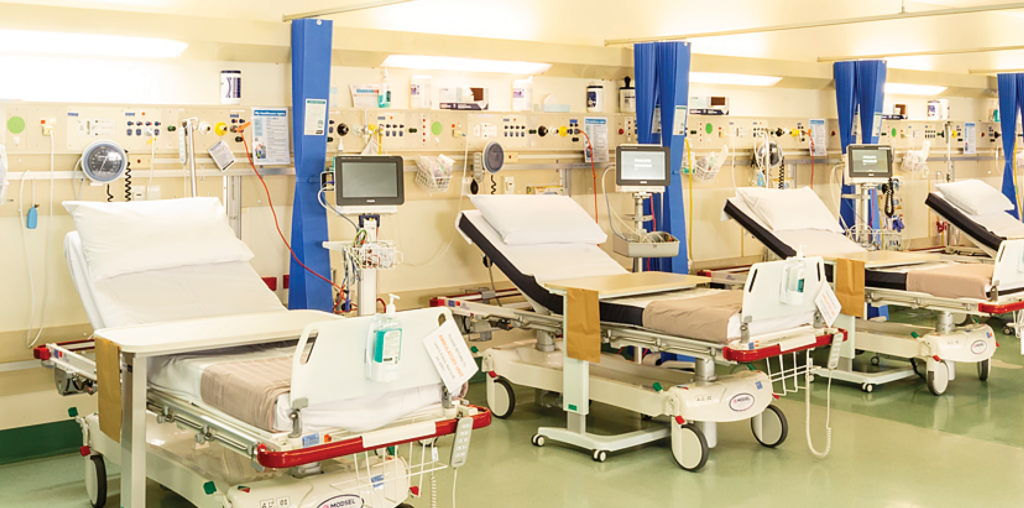
Percentage of admitted patients who discharged against medical advice
Outcome one // Effectiveness KPI
Rationale
Discharge against medical advice (DAMA) refers to patients leaving hospital against the advice of their treating medical team or without advising hospital staff (e.g. take own leave, left without notice, missing and not found, or discharge at own risk). Patients who do so have a higher risk of readmission and mortality and have been found to cost the health system 50 per cent more than patients who are discharged by their physician.
The national Aboriginal and Torres Strait Islander Health Performance Framework reports discharge at own risk under the heading ‘Self-discharge from hospital’. Between July 2019 and June 2021 Aboriginal patients (4.4%) in WA were 7.5 times more likely than non-Aboriginal patients (0.6%) to discharge at own risk, compared with 5.2 times nationally (3.8% and 0.7% respectively). This statistic indicates a need for improved responses by the health system to the needs of Aboriginal patients. This indicator is also being reported in the Report on Government Services 2024 under the performance of governments in providing acute care services in public hospitals.
This indicator provides a measure of the safety and quality of inpatient care. Reporting the results by Aboriginal status measures the effectiveness of initiatives within the WA health system to deliver culturally secure services to Aboriginal people. While the aim is to achieve equitable treatment outcomes, the targets reflect the need for a long-term approach to progressively closing the gap between Aboriginal and non-Aboriginal patient cohorts.
The DAMA performance measure is also one of the key contextual indicators of Outcome 1 “Aboriginal and Torres Strait Islander people enjoy long and healthy lives” under the new National Agreement on Closing the Gap, which was agreed to by the Coalition of Aboriginal and Torres Strait Islander Peak Organisations, and all Australian Governments in July 2020.
Note: This indicator is reported by calendar year. Some indicators are reported by calendar year to allow for delays associated with the clinical coding of medical records, data quality checking, data linkage processing, and the setting of targets in accordance with the Government Budget Statement.
Target
The 2025 targets for admitted patients who discharged against medical advice are:
| a) Aboriginal patients | ≤ 2.78% |
| b) Non-Aboriginal patients | ≤ 0.99% |
Improved or maintained performance is demonstrated by a result below or equal to target.
Results
Click the drop-down arrow to see different KPI categories
(a) Aboriginal patients
| Year | Target | Actual | |
|---|---|---|---|
| Years 2025 | Target 2.78% | Actual 7.94% |
|
| Years 2024 | Target | Actual 6.90% |
|
| Years 2023 | Target | Actual 6.17% |
|
| Years 2022 | Target | Actual 5.98% |
|
| Year | Target | Actual | |
|---|---|---|---|
| Years 2025 | Target 0.99% | Actual 1.31% |
|
| Years 2024 | Target | Actual 1.29% |
|
| Years 2023 | Target | Actual 1.14% |
|
| Years 2022 | Target | Actual 1.09% |
|
Commentary
While EMHS did not achieve DAMA performance targets in 2025, several key strategies were implemented across sites to support improvement. EMHS:
- established the Royal Perth Bentley Group (RPBG) Aboriginal Consumer Advisory Group to formally embed Aboriginal consumer partnerships and strengthen culturally informed care
- enhanced patient experience by enabling Aboriginal Health Liaison Officers (AHLOs) to provide free television access for Aboriginal patients in areas at higher‑risk of leaving
- continued implementation of the EMHS Aboriginal Cultural Competency Learning Framework, including expansion of the Aboriginal Health Champions Program, to build cultural capability across the EMHS workforce
- established the DAMA and Did Not Wait (DNW) Strategy and Performance Committee (DSPC) in October 2025 to lead EMHS’ strategic and system‑wide efforts to improve performance.
EMHS refers to the KPIs of DAMA and Did Not Wait/Left at own Risk for Emergency Department patients collectively as ‘leave events’.
Through the EMHS Leave Events Action Plan 2026, EMHS is prioritising culturally secure safety‑netting, enhanced follow‑up and strengthened transitions between hospital and community‑based services, in partnership with Aboriginal Community Controlled Health Services.
This work is being progressed in parallel with broader initiatives to strengthen and grow the EMHS Aboriginal Health workforce.
Period: 2022 to 2025 calendar years
Contributing sites: Armadale Hospital, Bentley Hospital, Kalamunda Hospital, Royal Perth Bentley Group Transitional Care Unit (Bidi Wungen Kaat Centre)1, Royal Perth Hospital, St John of God Midland Public Hospital
Data source: HMDC
1The Transitional Care Unit contributed to the DAMA KPI, however was reported under Bentley Hospital for the full calendar year.