
Environment, Social and Governance statement
EMHS is dedicated to contributing to the sustainability of our communities. We have the responsibility to minimise our environmental impact, focusing on supporting healthy people and providing care to the communities we operate in, and being accountable to the stakeholders we serve. As part of the public health system, we will play a key role in supporting measures to build a more adaptive, resilient, and environmentally friendly future. Through every aspect of our care business, sustainability is a value that guides our operations across 3 pillars of Environment, Social and Governance (ESG).

Environment
EMHS prioritises the environment and is striving to reduce its environmental impact while promoting sustainable healthcare practices. EMHS prioritises resource efficiency to minimise its environmental impact. Sustainable infrastructure and renewable energy are also key priorities to reduce its carbon footprint and address climate change. The EMHS Environmental Sustainability Framework 2022-2026 defines goals and prioritises initiatives for the short and medium term, such as energy efficiency and waste management. To support our sustainability priorities, EMHS has appointed a Chief Sustainability Officer.

Social
It is EMHS’ commitment to maintain healthy people, promote good health and wellbeing, and provide amazing care to our staff and patients. EMHS strives to promote and facilitate diversity, inclusion and equity, support multiculturalism and cultural safety and provide support to the Indigenous community. EMHS values partnerships and collaborative efforts to achieve better social outcomes. In addition, EMHS places a high priority on workplace health and safety, including initiatives to promote mental health and wellbeing, to create a safe and healthy environment for everyone.

Governance
EMHS is dedicated to upholding the highest standards of governance practices and making ethical, strategic decisions that align with its vision and values. Our governance focus areas are accountability, preparedness in a digital world and future focus.

Strengthening our path to net zero
Diverting waste from landfill, climate literacy scholarships and national research exploring the benefits of green spaces in health care – these are just some of the initiatives we supported this year on the path to net-zero emissions by 2050.
A series of exciting measures has continued to strengthen our workplace culture and advance sustainable ways of working and reducing our environmental impact.
For the second year, EMHS staff were able to apply for 25 scholarships for a 2-day climate literacy training course in May 2026. After completing the course, the attendees created action plans to improve sustainability at work, including reducing waste, promoting renewable energy and switching to energy-efficient lighting.
Green spaces in the health workplace was a topic explored in a national Greenspace 4 Hospital Staff survey in early 2026 – EMHS is a partner in the research and staff were invited to take part.
Across EMHS, we have also worked to reduce emissions by fixing nitrous oxide pipelines, upgrading to LED lighting, installing energy-saving boilers and reducing waste through waste-to-energy programs.
Other initiatives this year included expanding the WA Health Corporate SmartRider scheme to encourage public transport use, improved bike storage facilities and a Buy Nothing working group promoting re-use and landfill diversion.
For the last 2 years our sustainable practices have been guided by the EMHS Environmental Sustainability Strategic Approach 2024-26.
As this concludes, our Environmental Sustainability Unit is preparing a new plan to take us through to 2030, aligned closely to the strategic direction developed by the EMHS Board.
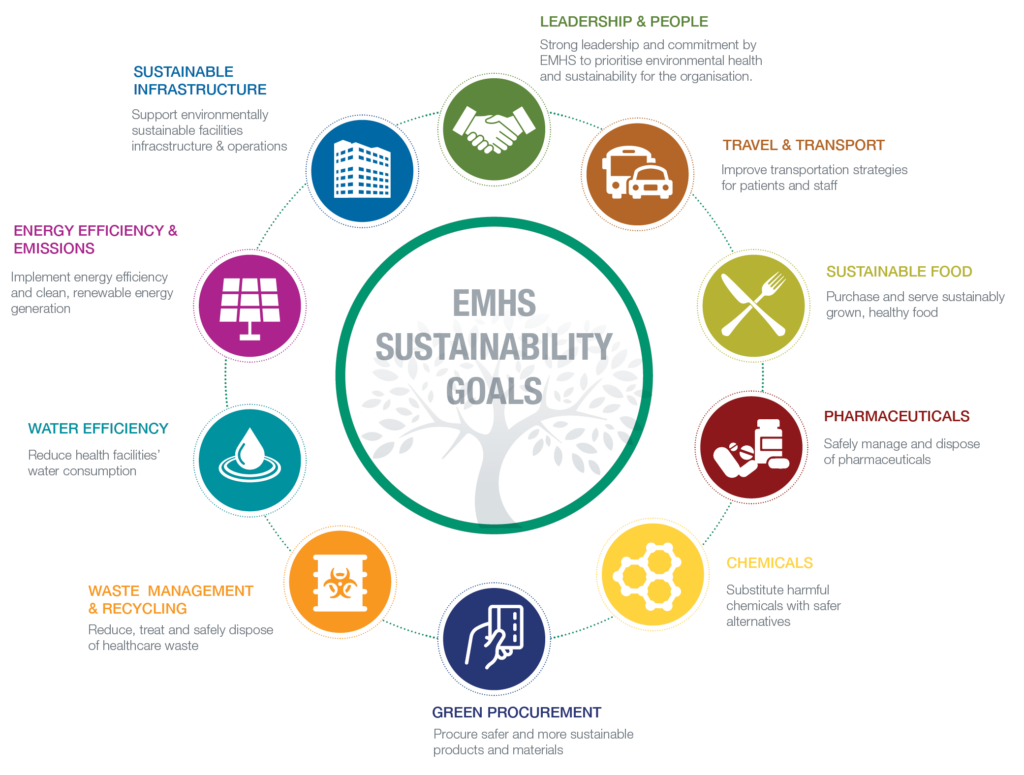
EMHS Environmental Sustainability Framework 2022-2026
Major new infrastructure takes us into the future
The biggest growth in our 10-year history will reshape our health service and how we care for our growing community.
It includes exciting new infrastructure projects funded by the State Government’s $2 billion Building Hospitals Fund, and the Federal Government.
Royal Perth Hospital (RPH)
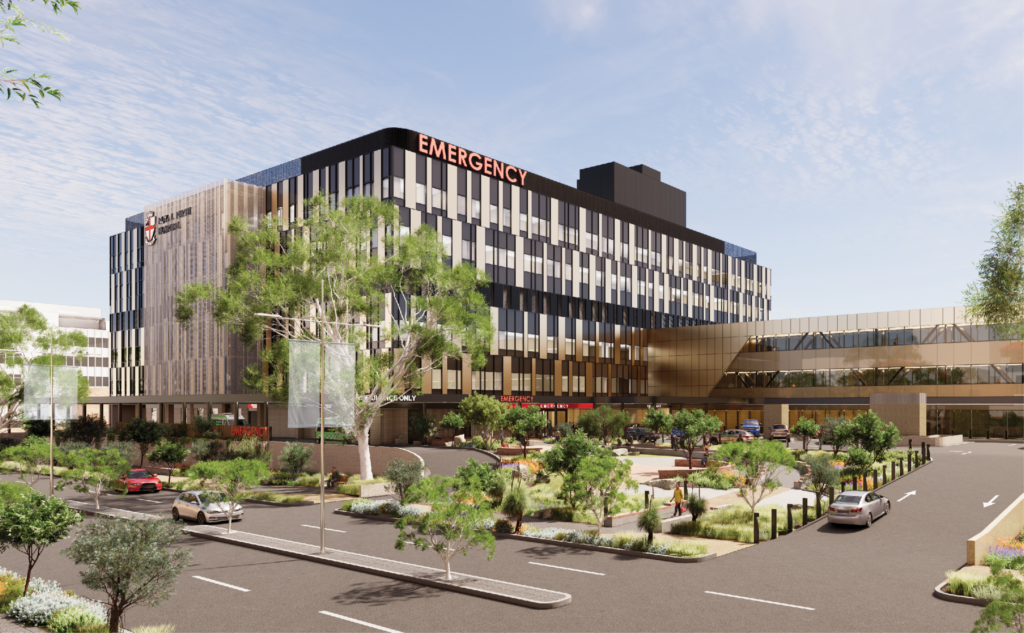
Construction has commenced on a new, multi-storey building which will be constructed on the north-western end of the existing hospital site (S Block), with 2 levels dedicated to a purpose-built Emergency Department (ED).
The new building will meet current and future healthcare needs and will be connected to the existing hospital via a link to integrate care and hospital operations.
The new building will feature:
- increased acute care and fast tracked capacity
- additional ambulance bays and improved patient flow
- more inpatient capacity to support future growth
- connection to the existing hospital via a link, to integrate care and operations.
This is the first stage of the RPH redevelopment, with construction expected to reach practical completion in late 2028. RPH will remain fully operational during construction, with careful monitoring to minimise impacts as much as possible.
For further information about the RPH ED expansion visit
www. buildingfortomorrow.wa.gov.au/projects/royal-perth-hospital/
Bentley Surgicentre
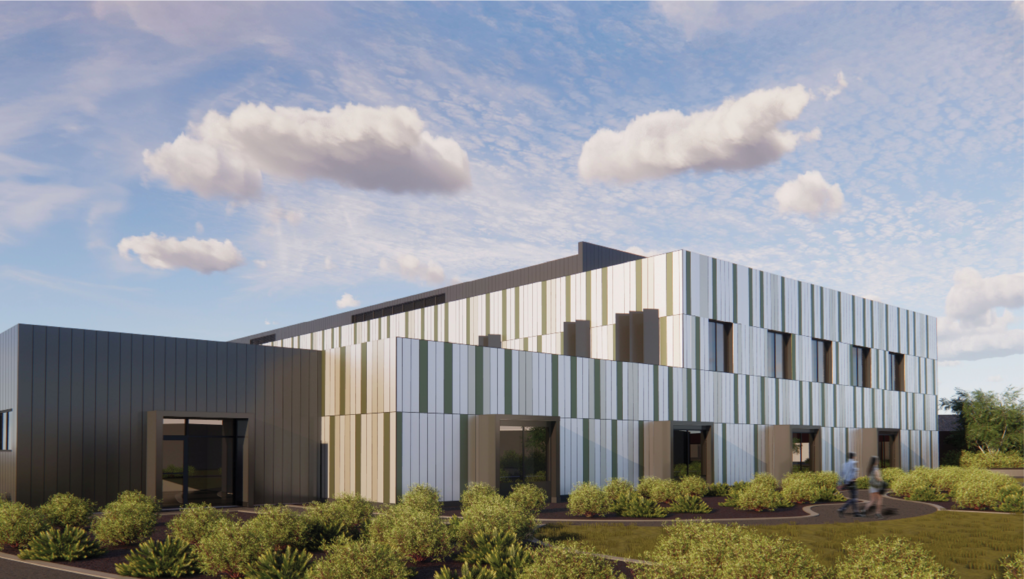
A new $167 million surgical centre is being built at Bentley Hospital.
The surgicentre will expand access to care and elective surgery capacity.
Features will include:
- 6 operating theatres
- 2 procedure rooms
- a 24-bed surgical ward
- consulting rooms and support areas
- a central sterilisation services department.
Early site preparation began in May 2026.
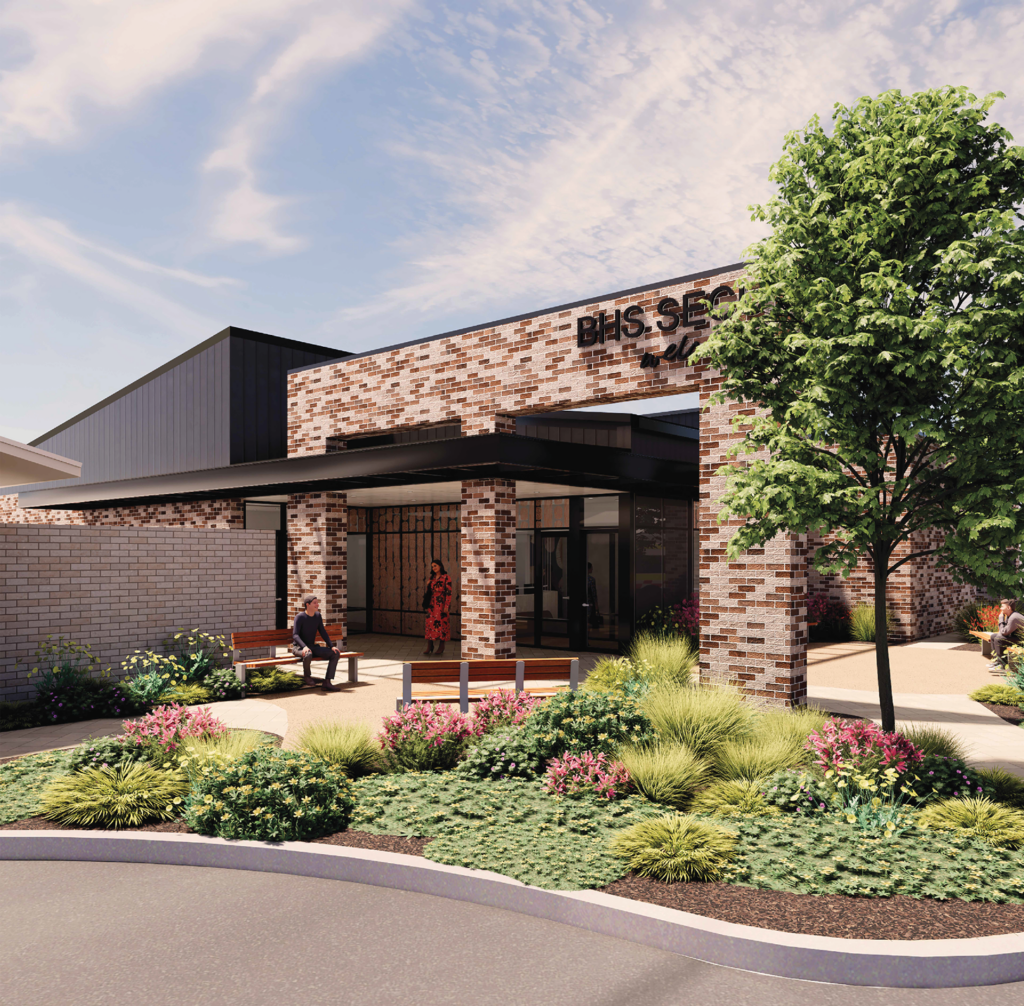
Bentley Secured Extended Care Unit (SECU)
In April 2026, construction commenced on a new 24-bed SECU which will provide specialised care for involuntary mental health patients aged 18 to 64 years who experience severe mental illness – including those with intellectual disability, and who present a significant risk to themselves or others.
Designed to support longer-term treatment and rehabilitation, the facility will accommodate patients for periods ranging from 6-months to 3-years, with an expected average stay of around one year.
The key driver is the ability to provide optimal long-term clinical care and rehabilitation experience for the intended patients. The new facility will create a calm, respectful, inclusive and genuinely hopeful therapeutic ‘home’ that facilitates recovery and rehabilitation, with a high standard of care and treatment.
The recovery goal is to build links with community service providers and transition the individual to living back in community inpatient rehabilitation units.
Construction is planned for completion in mid-2028.
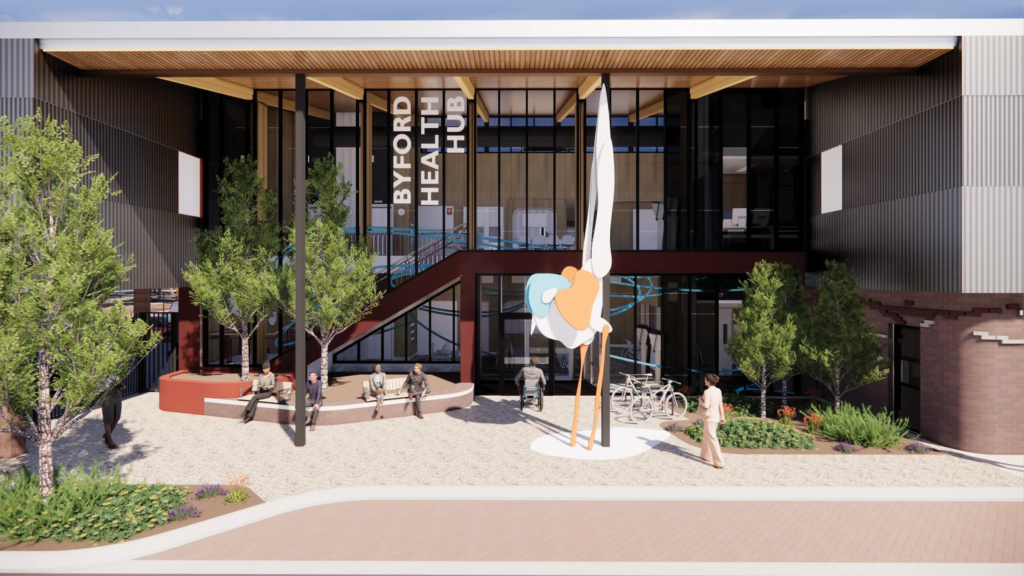
Byford Health Hub
A new $42.2 million community health and urgent care hub is being built at Bushman Glade in Byford.
The 2-storey hub will provide health and social care closer to home for Serpentine-Jarrahdale residents and reduce pressure on Armadale Hospital (AH).
Features will include:
- 28 first-floor consultation and therapy rooms for in-person and telehealth appointments with WA Health outpatient services and non-WA Health providers
- primary care and community, social and specialist health services
- space for pathology collection by PathWest
- treatment bays for a mobile x-ray, and a plaster and consultation room
- a mental health service with 4 consultation rooms and a therapy room for group or family sessions
- a gym for community-based rehabilitation
- 3 child health nursing clinic rooms
- urgent (non‑ED) care.
Construction officially began in January 2026, with the hub due to open in 2027.
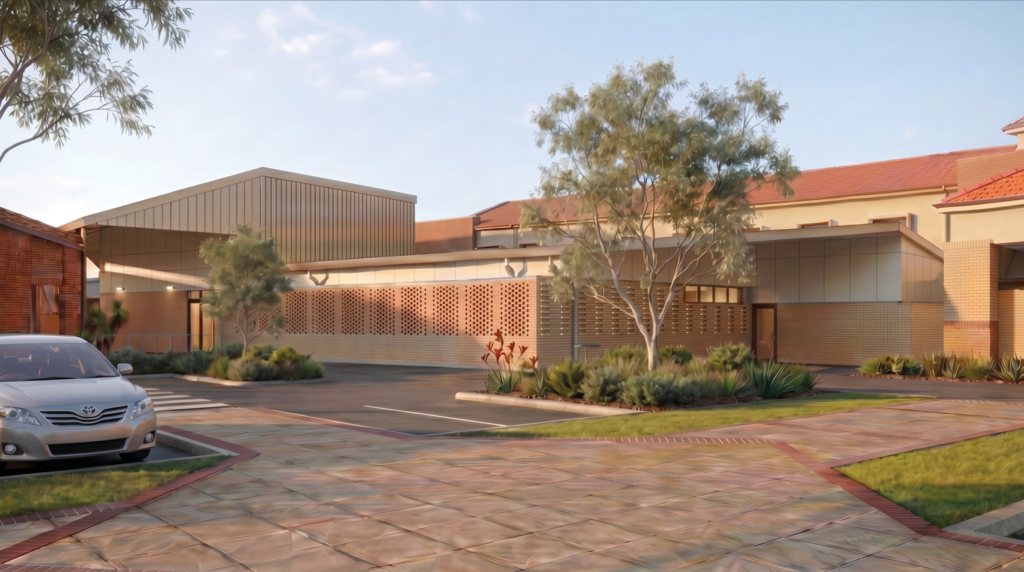
Armadale Mental Health Emergency Centre
A purpose-built Mental Health Emergency Centre (MHEC) is planned for AH. It will sit alongside existing inpatient mental health units and community services already on site.
An election commitment by the WA Government, the MHEC will be designed to improve outcomes for people in acute mental health crisis.
The MHEC is due to be completed in 2028.