Managing expansion while maintaining and improving an already high-performing network of hospitals and health services was a key focus in 2025-26.
Through solid planning, coordination across operational teams, and prioritisation of staff and resources, we maintained high performance standards while progressing key expansion projects.
The EMHS Clinical Services Plan – Towards 2035 is a blueprint for the future state of a culturally safe, contemporary, tiered and integrated network of health services extending beyond the hospital walls.
Meeting rapid population growth
Our catchment is one of the fastest-growing areas in WA. As the population grows, demand for accessible and timely health services also rises.
To meet this demand, we have embarked on a series of major expansions. These will increase capacity in critical areas including emergency department (ED) care and access, operating theatres, public hospital beds, mental health services and health and community care.
Major projects include the new multi-storey building at Royal Perth Hospital (RPH) with 2 levels dedicated to a purpose-built ED, acquisition of St John of God Mount Lawley, expansion of St John of God Midland Public Hospital (a public-private partnership), Byford Health Hub and Bentley Surgicentre.
They follow the 2024-25 expansion of our East CareConnect community and virtual healthcare-at-home services such as Home Hospital, Health in a Virtual Environment (HIVE) and Community Hive (Co-HIVE).
Management of existing infrastructure
We are committed to balancing growth with investment in our current buildings, most of which are more than 70 years old.
While we are in an active phase of infrastructure development, maintaining and upgrading our existing facilities to support service delivery remains a key priority.
The allocation of $7 million to undertake master planning of the RPH site will help identify an achievable and long-term path for redevelopment.
The WA Government’s Health Asset Maintenance Fund (HAMF) was rolled out in 2025-26 to prioritise repairs and maintenance at older hospitals.
Our HAMF program consisted of 25 projects across RPH and Armadale Hospital (AH), with the full program to be completed in 2026-27.
Key projects EMHS delivered with this funding include replacement boilers, electrical switchboards, waterproof roof membranes, sterilisers, theatre gas pendants, lifts and plumbing infrastructure, as well as refurbishment of bathrooms and footpaths.
Serving our community
EMHS supports a diverse catchment with many priority populations as well as patients who have chronic disease and need more complex care.
Priority population groups experience health inequity and are at greater risk of poorer health outcomes.
We introduced a series of initiatives to help make our services more accessible to these community members.
RPH this year appointed its first Homeless Medicine Consultant. The role leads the Hospital’s Homeless Team to improve healthcare outcomes for people experiencing homelessness.
We are strengthening our mental health initiatives on many fronts including developing a new Armadale Mental Health Emergency Centre and Bentley Secure Extended Care Unit.
An Older Adult Health Hub opened at a temporary location at Bentley Hospital for the physical, social and emotional needs of older adults, ahead of moving to new premises in Belmont.
We this year signed memorandums of understanding with 2 Aboriginal Community Controlled Health Services – Derbarl Yerrigan Health Service and Moorditj Koort Aboriginal Corporation – for health partnerships within our catchment. (Click for more information)
Improving outcomes for people experiencing homelessness
In 2025-26, EMHS provided 6,726 health care events to people of no fixed address. 5,145 of these were at RPH.
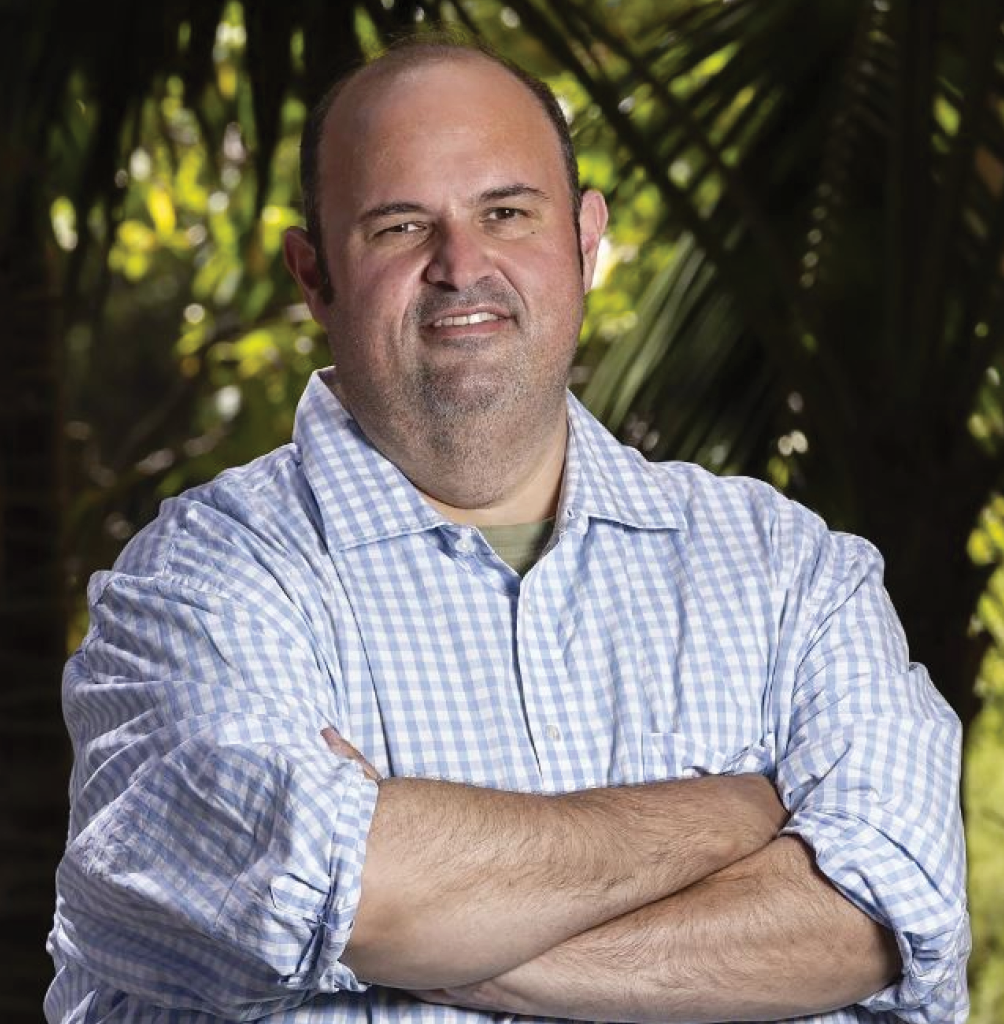
To improve healthcare outcomes for people experiencing homelessness, Daniel Hunt has been appointed as RPH Homeless Team’s first Homeless Medicine Consultant.
Daniel was born in Three Springs to a mother of Jaru and Yindjibarndi descent and graduated in medicine from the University of Western Australia in 2010.
He took the team reins from founder Dr Amanda Stafford, whose invaluable work since its inception 10 years ago has set a strong foundation for the area’s ongoing success.
Daniel joined the RPH team from the Derbarl Yerrigan Health Service, where he spent almost a decade working with Aboriginal and Torres Strait Islander people as a dentist, a general practitioner (GP) and, ultimately, as deputy medical director.
The RPH Homeless Team is an in-reach team, designed to link patients who present to the emergency department (ED) back into community GP care and community-based housing and support services.
“This is really groundbreaking, to have an Aboriginal Consultant working in our hospital and it demonstrates EMHS’ commitment to pursuing better outcomes for our Aboriginal patients,” Amanda said.
“It’s an outstanding appointment and Daniel’s years of experience with homelessness in the Aboriginal community will be easily extended to people of every background.”
The 2025 NAIDOC Person of the Year and Australian Medical Association WA Advocate for the Year says he recognises the enormity of the work already done by his predecessor.
“Amanda has been a lead in this area for a decade. I’ve got quite impressive shoes to fill,” Daniel said.
Building workforce capacity
Significant healthcare workforce challenges across the globe are compelling us to look at how we can have more agile and flexible systems to shape a fit-for-purpose healthcare workforce that will meet the needs of the WA community now and into the future.
A contemporary workforce goes beyond traditional workforce planning and looks at whole-of-health to redesign work, build capability, leverage technology, and enable new models of care to support the sustainable delivery of high-quality health care.
EMHS has been proactive in advancing contemporary workforce initiatives with innovative pilots, trials and programs.
Developed in response to critical workforce shortages and service gaps, these initiatives look at innovative ways of working to improve the way health care is delivered. They have provided valuable insights, lessons learnt and opportunities for expansion across EMHS and the wider health system.
Central to this is our commitment to our people. By engaging our workforce, investing in their development and creating a modern, flexible working environment, we enable our teams to deliver high-quality care.
One example is the growth of our nurse practitioner workforce, which has increased by 75 per cent since 2022. Nurse practitioners are advanced practice nurses who have extra education and clinical training.
Overall, EMHS’ Plan for Our People is our blueprint for how we will continue to attract, support and grow a flexible, diverse and inclusive workforce.
Sustainable resources
EMHS remains focused on working together to reduce duplication and maximise the value of our resources.
Partnering with the broader WA Health system and external organisations supports more coordinated care and helps patients access the right services at the right time.
Responsible stewardship of public resources is central to our approach, helping us deliver safe, high-quality care while getting value for money.
We focus on utilising our people, facilities and funding efficiently, so resources are directed where they are needed most.
By reducing waste and improving efficiency, we maintain system capacity in a constrained financial environment.
This approach supports the long-term sustainability and resilience of our health services.
Strengthening cyber security
Health services continue to operate within an increasingly complex cyber threat environment with adversaries increasingly adopting new exploitation tools and services, and emerging artificial intelligence-enabled techniques.
Ensuring the security and resilience of our digital health systems remains a key priority. Continued investment in cyber security capabilities, virtual security infrastructure and workforce awareness initiatives maintains our ability to prevent, detect and respond to cyber threats.
In 2025-26, the EMHS Cyber Unit delivered a comprehensive program of cyber security activities and audits, including targeted staff engagement, physical security audits at Royal Perth and Armadale Hospitals, and incident response simulation exercises. The Cyber Unit also proactively identified and remediated vulnerabilities, resolving hundreds of critical and high-risk issues across enterprise, clinical and network-connected devices before they could impact service delivery and patient care.
EMHS continued to meet its obligations under the Security of Critical Infrastructure Act, by providing required information to the Department of Home Affairs and completing the WA Cyber Security Policy – Annual Implementation Report for the Department of Premier and Cabinet. Collectively, these activities strengthen and support cyber resilience of EMHS critical health infrastructure and ensures its ongoing compliance and organisational preparedness to safeguard our health services into the future.
Winter strategy and preparedness
The 2025 flu season was the worst and longest on record in WA, placing significant pressure on emergency departments, hospital beds and ambulance services.
In response, the WA Government released the 2026 Winter Strategy to prepare for increased seasonal demand.
Aligned with the strategy, EMHS introduced a coordinated suite of winter initiatives to improve patient flow and system resilience.
Alisha Thompson, substantive Executive Director Armadale Kalamunda Group (AKG), was seconded to a dedicated Winter
Commander role to provide focused leadership of patient flow, capacity management and winter demand initiatives across the organisation. The role was established to strengthen system performance, coordinate winter strategy delivery, and support improved access to care during the peak winter period.
Bed Turnaround Teams, which last year operated at RPH, were expanded to AH and St John of God Midland Public Hospital to reduce delays between discharge and admission by making beds available faster.