Healthcare-associated Staphylococcus aureus bloodstream infections (HA-SABSI) per 10,000 occupied bed-days
Outcome one // Effectiveness KPI
Rationale
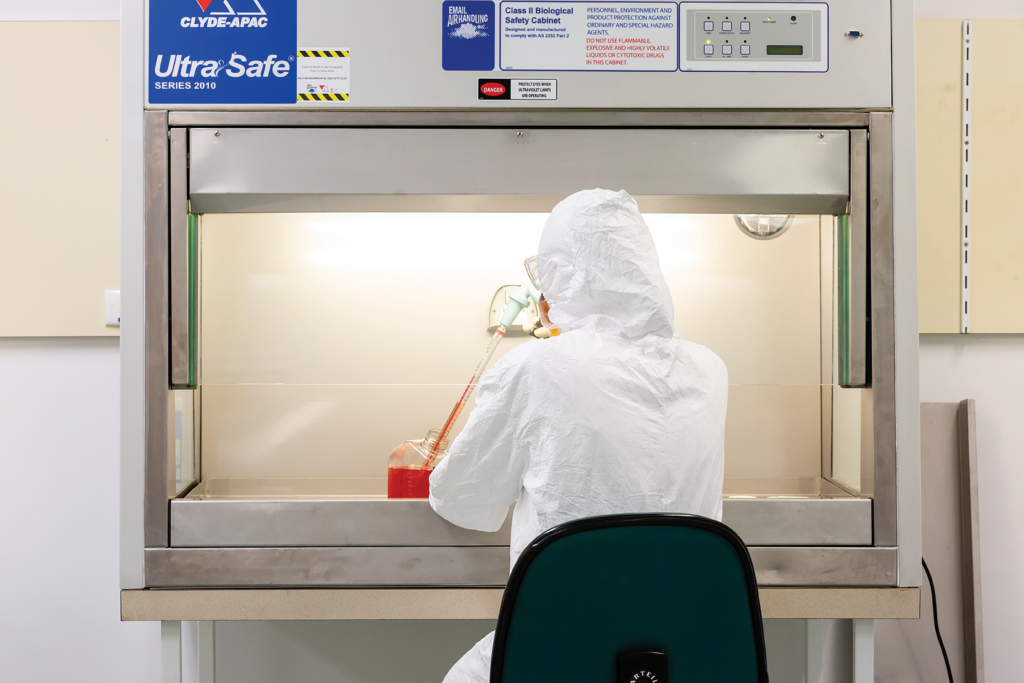
Staphylococcus aureus bloodstream infection is a serious infection that may be associated with the provision of health care. Staphylococcus aureus is a highly pathogenic organism and even with advanced medical care, infection is associated with prolonged hospital stays, increased healthcare costs and a marked increase in morbidity and mortality (SABSI mortality rates are estimated at 20-25 per cent).
HA-SABSI is generally considered to be a preventable adverse event associated with the provision of health care. Therefore, this KPI is a robust measure of the safety and quality of care provided by WA public hospitals.
A low or decreasing HA-SABSI rate is desirable and the WA target reflects the nationally agreed benchmark.
Note: This indicator is reported by calendar year. Some indicators are reported by calendar year to allow for delays associated with the clinical coding of medical records, data quality checking, data linkage processing, and the setting of targets in accordance with the Government Budget Statement.
Target
The 2025 target for HA-SABSI is ≤1.00 per 10,000 occupied bed-days. Improved or maintained performance is demonstrated by a result below or equal to target.
Results
| Year | Target | Actual | |
|---|---|---|---|
| Years 2025 | Target 1.00 | Actual 0.71 |
|
| Years 2024 | Target | Actual 0.63 |
|
| Years 2023 | Target | Actual 0.82 |
|
| Years 2022 | Target | Actual 0.69 |
|
Commentary
During 2025, EMHS achieved the target for HA-SABSI, with a result equating to 29 infections from 410,957 bed-days.
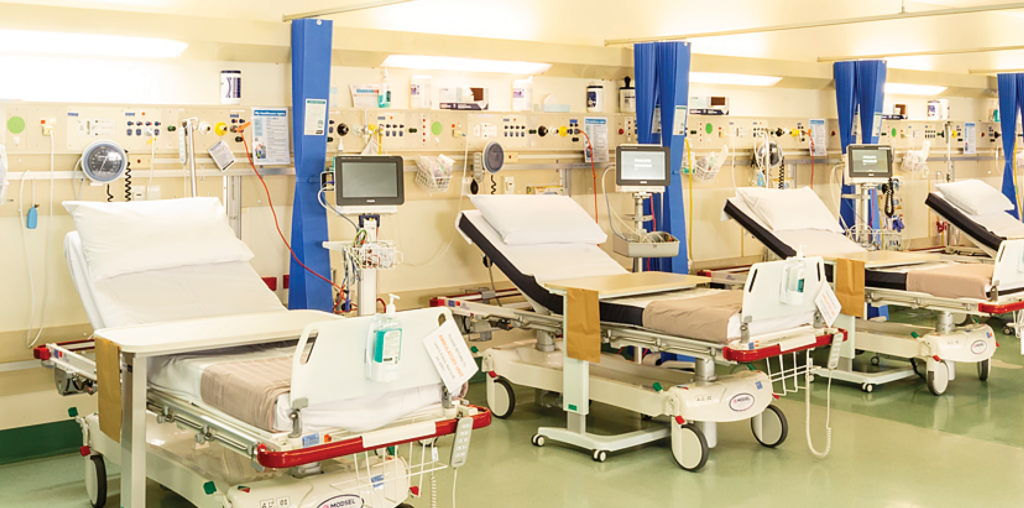
EMHS participates in a state-wide surveillance program and has robust processes in place that involve the review of all cases of HA-SABSI by infection control specialists and treating clinicians. These processes are designed to identify the factors that contributed to the individual cases and closely monitor infection rates.
EMHS remains committed to minimising the occurrence of HA-SABSI as demonstrated by the following initiatives:
- continued focus of the Vascular Access Service which provides expert and specialist care in the insertion and management of invasive devices
- specialist vascular access training in the Emergency Department to enhance the skills of clinicians, particularly in handling patients with difficult intravenous access
- regular hand hygiene audits.
Period: 2022 to 2025 calendar years
Contributing sites: Armadale Hospital, Bentley Hospital, Kalamunda Hospital, Royal Perth Bentley Group Transitional Care Unit (Bidi Wungen Kaat Centre), Royal Perth Hospital
Data source: Healthcare Infection Surveillance Western Australia (HISWA) Data Collection