
In 2025-26, EMHS strengthened its commitment to engaging and partnering with our consumers and community to deliver person-centred services and optimise patient experience.
In Mental Health:
- EMHS has implemented a Work Development Program (WDP) to assist consumers who are having trouble paying court fines due to hardship. Under a WDP, eligible people can apply to complete approved activities though our community mental health services, in place of paying the amount owed.
- EMHS Mental Health Strategy team co-designed and developed language booklets with people with lived experience. These booklets are now available for staff to help guide the use of language that is most respectful and therapeutic for people with lived experience and their loved ones, as informed by them.
- EMHS has completed phase one of the implementation of the EMHS Lived Experience Strategy, designed with people with lived and living experience.
At Royal Perth and Bentley Hospitals:
- The annual Royal Perth Bentley Group (RPBG) Consumer and Carer Workshop continues to grow in both size and impact, with a record 19 attendees this year. The workshop offered an opportunity to reflect on progress, celebrate successes and consider future priorities. Consumers highlighted improvements in communication, representation and acknowledged their voices were being heard and that they could influence decision making.
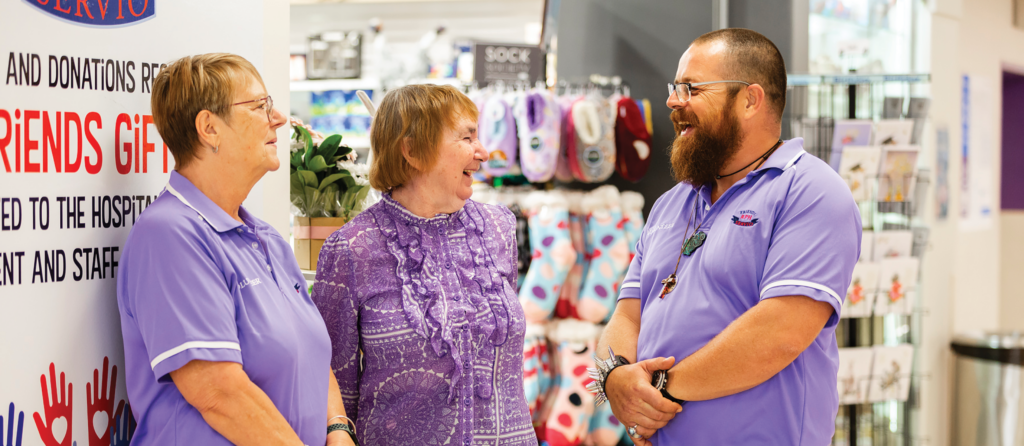
- A warm welcome to an unfamiliar setting can make all the difference, especially for patients facing hospital stays alone. At Royal Perth Hospital (RPH), a new volunteer greeting service was a finalist in the WA Health Excellence Awards for its contribution to delivering person centred care.
- The RPBG Consumer Rounding Program expanded to provide 600 conversations across inpatient, Emergency Department, outpatient and general visiting areas, providing ears on the ground to better understand the contemporaneous patient experience and strengthen the consumer voice in advocacy across the organisation.
At Armadale and Kalamunda Hospitals:
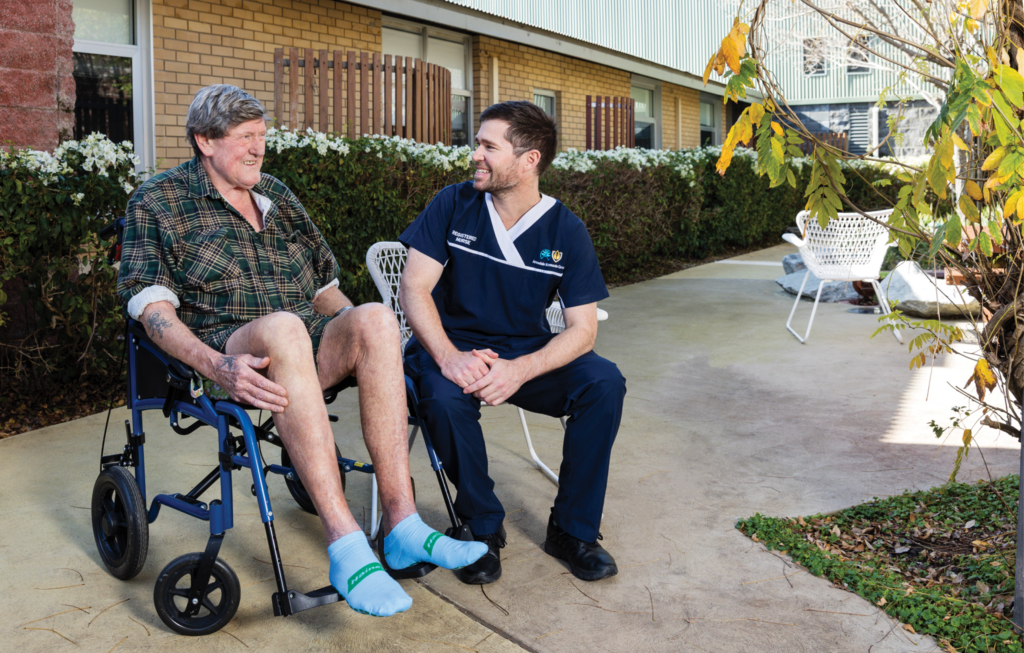
- EMHS has enhanced palliative care services across Armadale Kalamunda Group (AKG), with the Kalamunda Palliative Care Unit providing 30–31 inpatient beds and accepting referrals from tertiary hospitals, community palliative care teams and GPs. Weekend allied health and registrar coverage 7 days a week, 11:00am–7pm rostering, supports urgent late admissions from the community and other hospitals.
- At Armadale Hospital (AH), a palliative care consultant and nurse practitioner provide comprehensive care and identify patients requiring inpatient admission, facilitating timely referral to Kalamunda Hospital (KH) and optimising acute bed utilisation.
- Rehabilitation services implemented the transfer of care for all medical patients over 65 years of age to the geriatric team. This has increased consumer satisfaction by ensuring patients are managed by a single team, reducing wait times to be seen, improving communication with patients and between staff, and enabling faster implementation of clinical care.
- AH has implemented a GDMi (Gestational Diabetes Mellitus requiring insulin) service, enabling care for pregnant women who were previously required to travel to tertiary sites for management. This initiative brought specialised care closer to home for women and their families in the AKG catchment, improving access, continuity, and the overall patient experience.
- Implementation of an optimised short stay pathway for hip and knee joint replacements at AH is supporting earlier discharge and a more patient-centred model of care. The initiative improves flow, reduces late cancellations, and enables more patients to recover safely at home sooner.
- Enhanced paediatric services with improved access to oral food challenges for local children, support timely assessment and management of food allergies. These enhancements strengthen inpatient and outpatient paediatric pathways and improve care coordination, clinical outcomes and ward workflow efficiency.
- AKG established a Patient Experience and Clinical Excellence Committee as a mechanism to establish governance and oversight over patient experience metrics.
Consumer representative networks
Keeping consumers at the centre of everything we do, a network of 140 consumer representatives across EMHS sites supports and drives continuous improvement.
This network reflects a diverse range of backgrounds, including Aboriginal, culturally and linguistically diverse (CaLD), disability, LGBTIQ+, neurodiversity, mental health, chronic conditions and different generations. Consumer representatives partner with our staff across governance committees, project teams, and focus groups, and contribute to reviewing published patient information to ensure it meets the health literacy needs of our community.
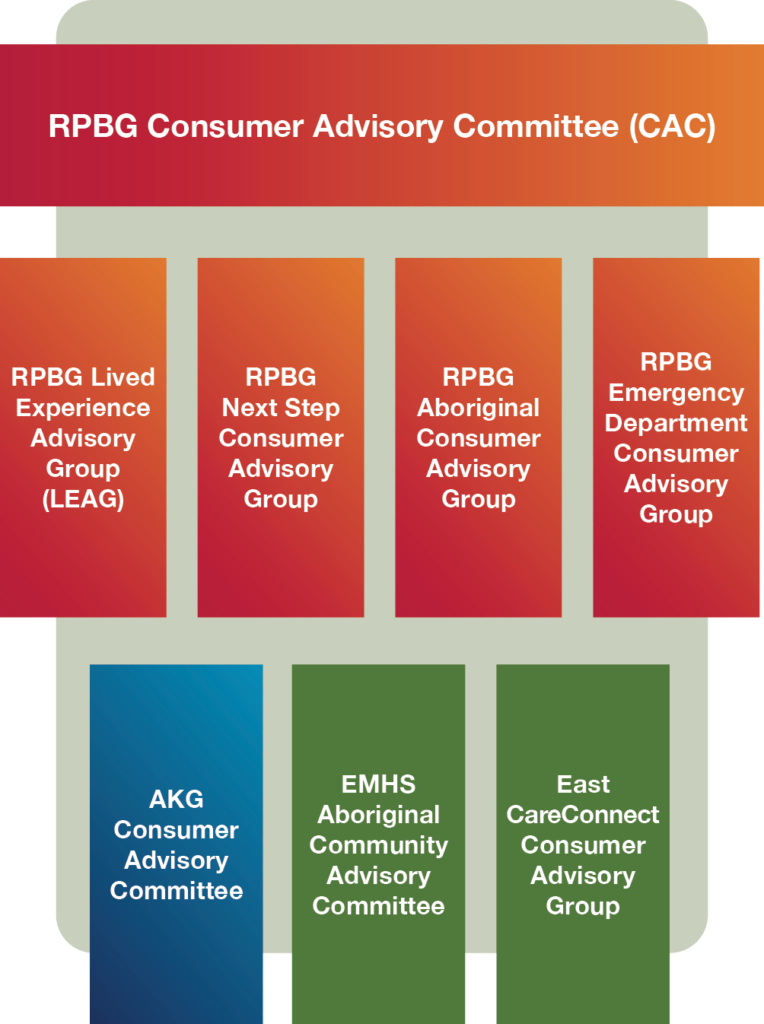
Across EMHS, 8 consumer advisory groups provide a platform for meaningful engagement, helping to influence decision-making, guide service improvements, and ensure the perspectives and needs of the communities we serve are represented.
Consumer feedback
EMHS is committed to actively seeking out consumer feedback to support continuous service improvement and, ultimately, the experience of the community we serve.
MySay is a standardised state-wide Patient Reported Experience Measure (PREM) which allows for benchmarking across sites. MySay uses the Australian Commission on Safety and Quality in Health Care’s Australian Hospital Patient Experience Question Set (AHPEQS) as a validated measure, sent to inpatients, ED patients and outpatients via SMS 48 hours after their interaction with our services. MySay inpatient results for 2025-26 were:
| AHPEQS question | |
|---|---|
| My views and concerns were listened to | 92 |
| My individual needs were met | 92 |
| I felt cared for | 93 |
| I was involved as much as I wanted in making decisions about my treatment and care | 90 |
| I was kept informed as much as I wanted about my treatment and care | 90 |
| As far as I could tell the staff involved in my care communicated with each other about my treatment | 91 |
| I received pain relief that met my needs | 92 |
| I felt confident in the safety of my treatment and care | 93 |
| I experienced unexpected harm or distress as a result of my treatment or care (where a higher score reflects less harm) | 90 |
| Overall the quality of the treatment and care I received was very good | 93 |
Net Promoter Score (NPS) is a widely used metric based on the response to How likely would you be to recommend our service to a family member or friend? (0 to 10) NPS 50-70 is considered excellent.
| Net Promoter Score (NPS) | |||
|---|---|---|---|
| Period | NPS | Responses | Response rate |
| 2025-26 | 69.64 | 20,613 | 26.15% |
Compliments and complaints
EMHS has robust processes for the management of compliments and complaints, consistent with the WA Health Complaints Management Policy. This includes set timeframes for complaints to be acknowledged, investigated and responded to, with quality improvement activities initiated to address identified issues as appropriate.
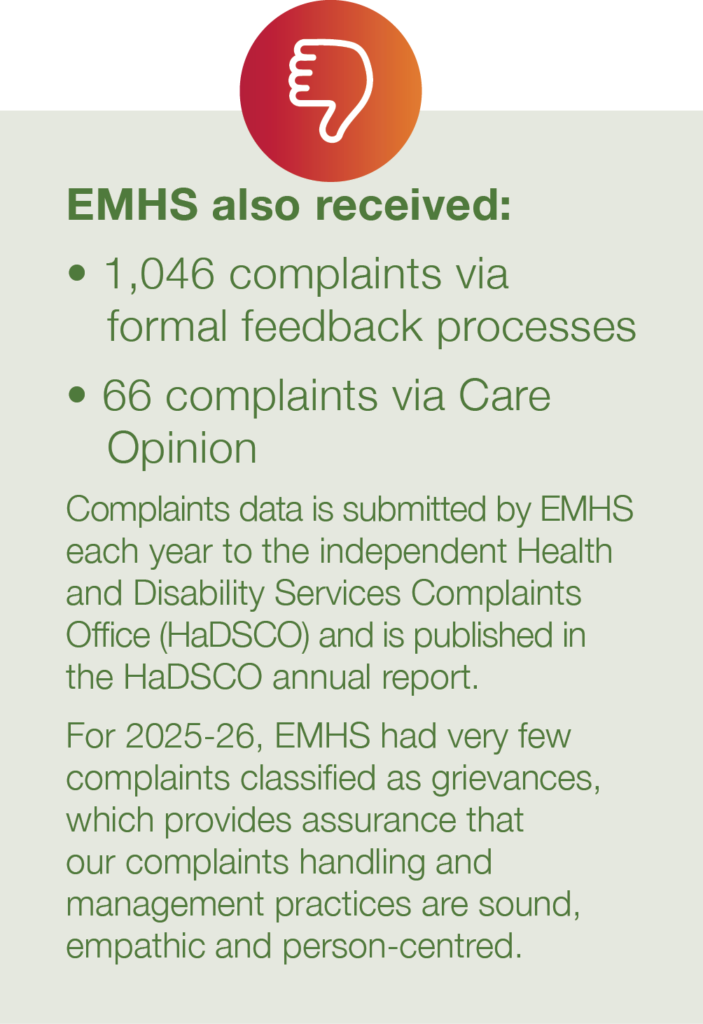
Recognising that some consumers may prefer to provide feedback anonymously, EMHS continues to subscribe to the use of Care Opinion, an independently controlled, online platform enabling members of the public to tell us about their experience with our services.
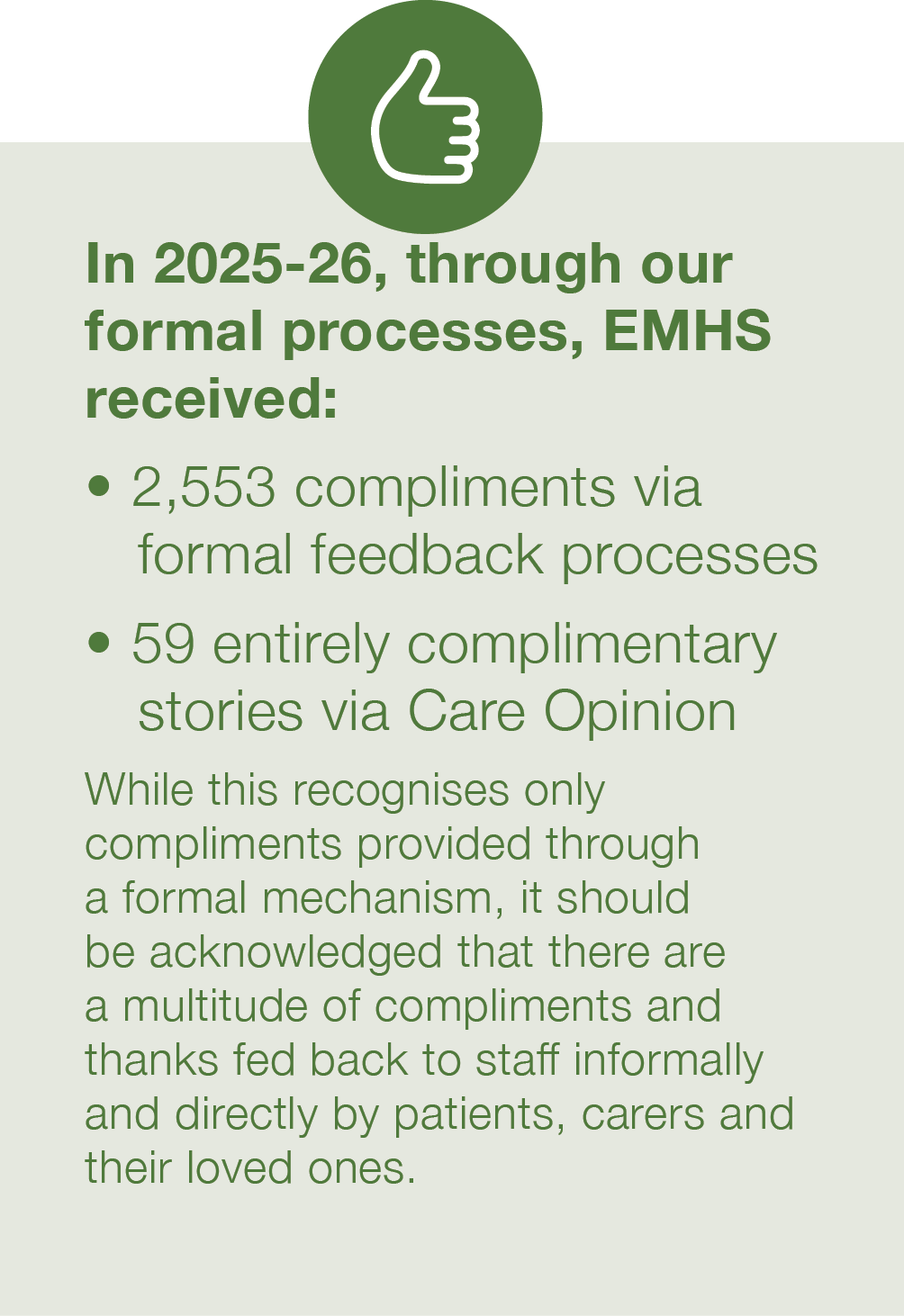
Whilst complaints are subjected to rigorous investigation processes with Executive level oversight, most feedback received is complimentary. Formal compliments of staff and teams are well received and celebrated across the organisation, recognising the positive impact that we have on many people’s lives.
At a Care Opinion Forum on 21 April 2026, held to celebrate 10 years of Care Opinion in WA, EMHS was recognised for its work in strengthening the way patient feedback is captured, interpreted and translated into service improvement.
This recognition reflects a strong focus on ensuring patient voices are embedded within quality improvement processes and is a meaningful acknowledgment of EMHS’ continued commitment to listening, responding, and using feedback to drive better outcomes for patients and families.
Putting community voices at the heart of care
EMHS strengthened its focus on patient care by appointing a Director of Patient Experience in September 2025.
This role is leading the development of a Patient Experience Strategic Framework, designed together with the community. This represents the first integrated approach to patient experience across EMHS sites and services.
Broad staff and consumer consultation has occurred to help understand what truly matters most to the community we serve. Work is now underway to co-design what these priorities look like across our diverse patient groups.
To support this work, we are reviewing how we collect patient feedback and testing new ways to improve it. This includes:
- using behavioural insights to better understand why people choose to give feedback, so we can make providing it easier and more accessible
- introducing more culturally safe ways to collect feedback and working to better understand the experiences of racism among Aboriginal patients.
An area-wide network of community representatives has also been created to ensure consumer voices remain at the centre of our work. We have made it easier for representatives to get started and developed a practical toolkit to support staff to engage effectively.
A key milestone has been reached, with our first consumer representatives now trained in Root Cause Analysis (RCA). This enables them to work alongside staff to investigate serious clinical incidents and develop recommendations for improvement.
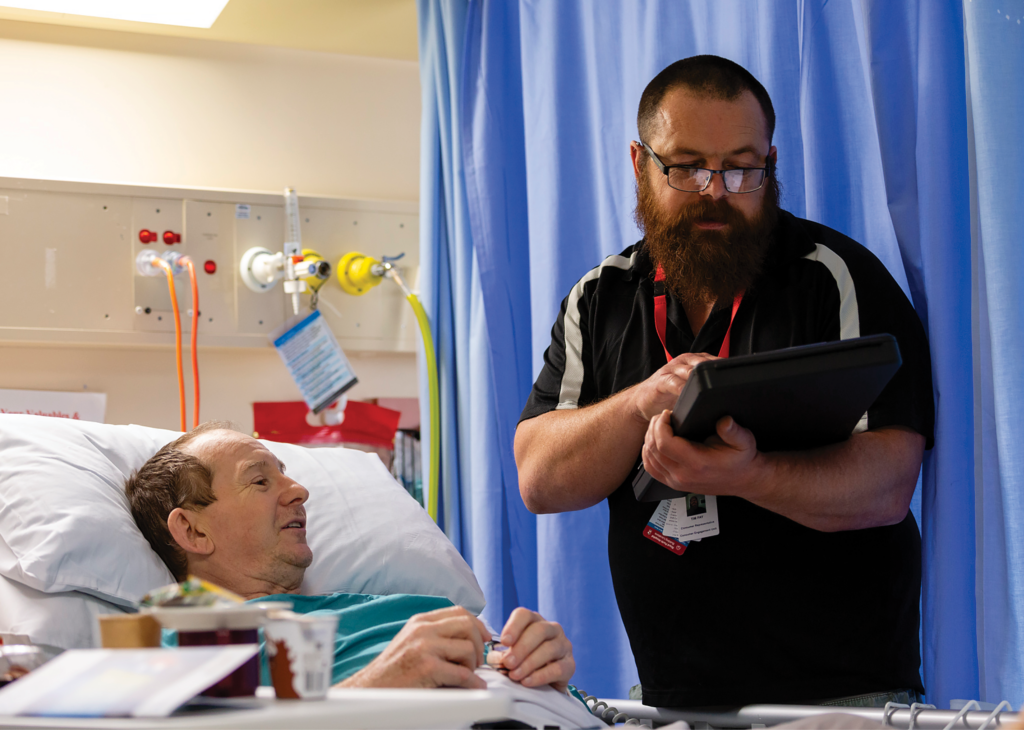
Working to understand what truly matters most to the community we serve.
Caregiver Language Badges initiative
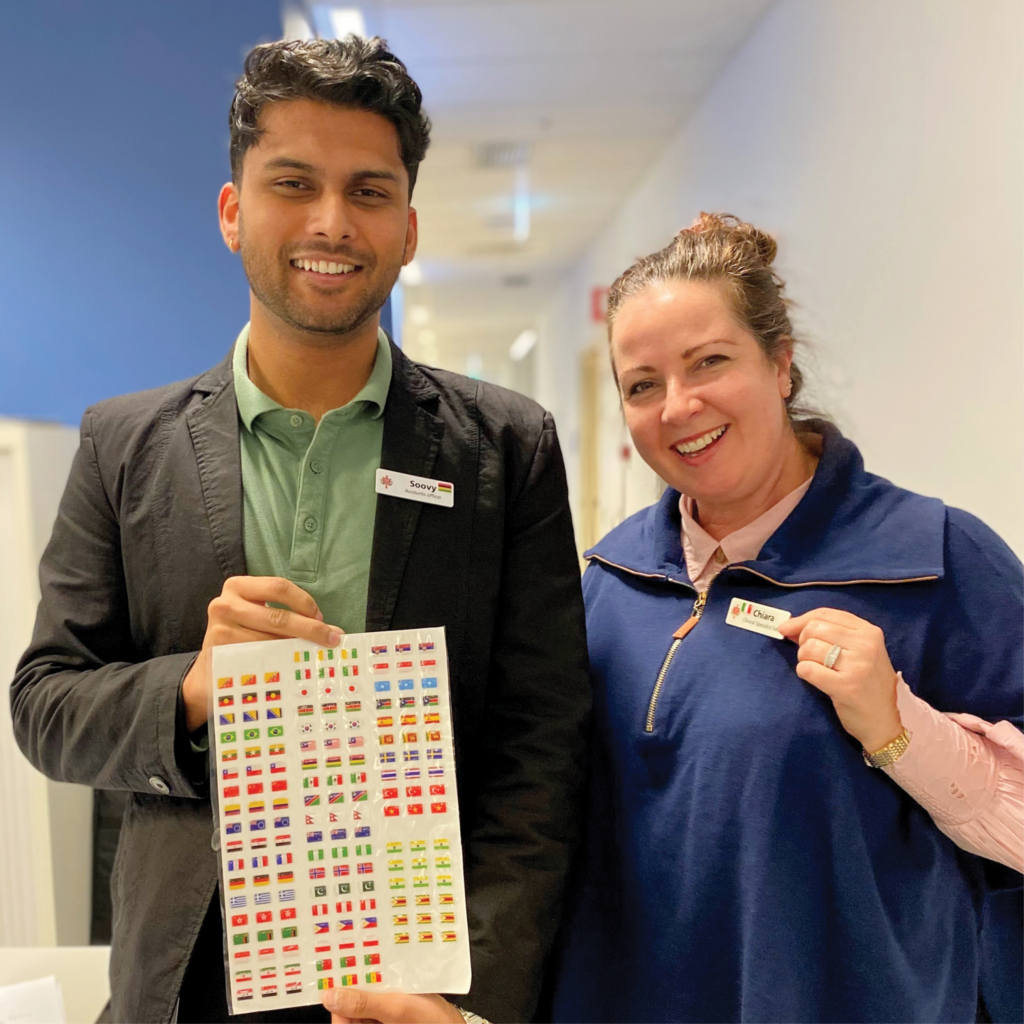
The Caregiver Language Badges initiative was implemented at St John of God Midland Public Hospital as part of the 3Cs Program: Connection, Compassion, Communication, supporting culturally responsive care and improving patient comfort. The program highlights multilingual caregivers by providing long‑life adhesive flags representing their country of origin. These identifiers are placed on existing caregiver name badges – positioned at the bottom right corner to ensure names and titles remain visible.
The initiative aims to strengthen rapport between caregivers and patients, particularly those who speak languages other than English, and serves as a practical conversation starter. New caregivers are offered the opportunity to add their flag during onboarding, embedding cultural recognition into routine practice.
EMHS patients – Top 5 countries of birth
