

Boost to beds and facilities at Midland
St John of God Midland Public Hospital (SJGMPH) is an important part of our expansion.
SJGMPH has been operated by St John of God Health Care (SJGHC) on behalf of the State since the hospital opened in 2015. A St John of God Midland Private Hospital is co-located on site with the public hospital.
All 60 private beds and 3 surgical theatres will transfer to the public system, coinciding with SJGHC opening a new private hospital nearby.
There will be an immediate boost to our bed and surgical capacity when it becomes a 367-bed solely public hospital in August, under a continuing public-private partnership.
SJGHC will continue to run the expanded public hospital for EMHS and the State.
Further major benefits will flow from a staged $355 million redevelopment of the site, including a major upgrade of its emergency department (ED).
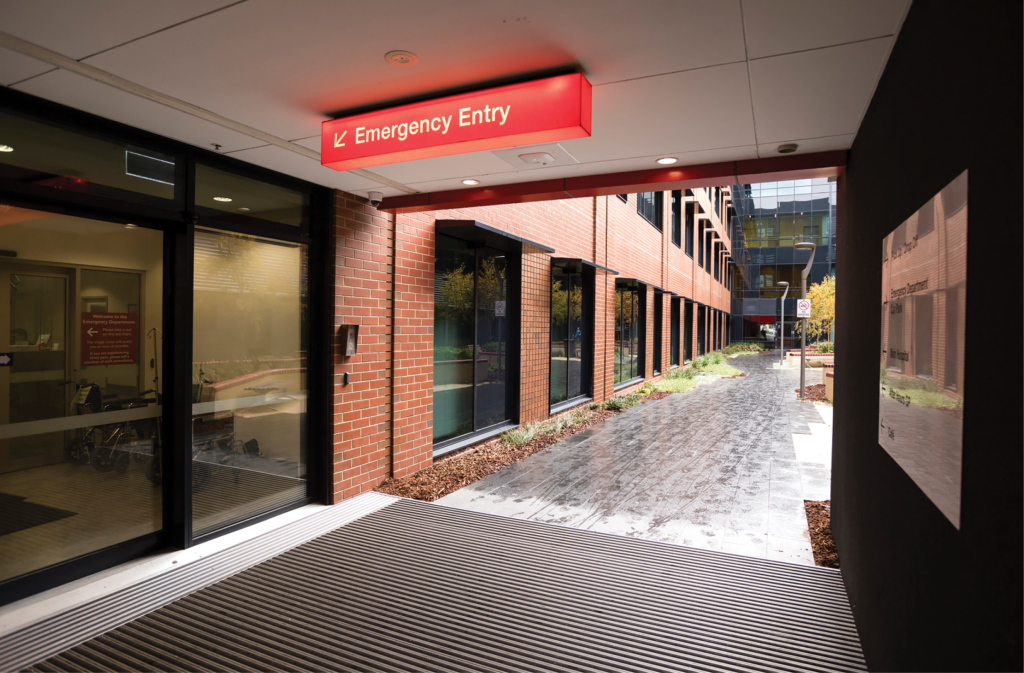
The ED expansion will increase capacity to meet growing demand in the Swan and Hills area, where emergency visits are expected to rise by 38 per cent by 2031-32.
Both levels of government have made significant election commitments – the Federal Government $200 million and the State Government $155 million.
Mount Lawley Transition Program
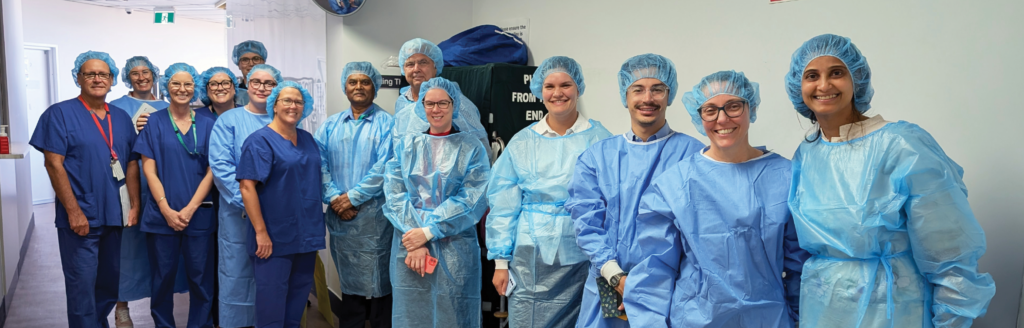
EMHS is supporting the transition of St John of God Mount Lawley Hospital into the WA public health system from 1 September 2026. Announced by the State Government in November 2025, the transition will bring additional beds and operating theatre capacity online for public patients, helping to strengthen access to hospital care across the community.
Led by Executive Director Mount Lawley Transition Program, Susan Mylne (substantive Executive Director Strategy, Planning and Performance), the dedicated EMHS team is preparing the hospital to operate safely and effectively as part of the public health system, under the governance of Royal Perth Bentley Mount Lawley Group. Work in preparation for the transition spans clinical, non-clinical and support services, workforce, integration and governance, facilities management and infrastructure, ICT, equipment, commercial, procurement and finance, with each area focused on supporting a smooth and well-coordinated transition.
At the heart of the program is a commitment to patients, staff and the community. EMHS is working closely with St John of God Health Care, the Department of Health and other key partners to prepare the hospital for its role in caring for public patients, while keeping patient experience and safety at the centre of planning. Sales and Transition Agreements have been completed, with detailed planning and operational readiness work continuing ahead of the 1 September transition date.
The transition also recognises the long and valued history of the Mount Lawley site. Since opening as St Anne’s Nursing Home in 1937, the hospital has cared for generations of families and played an important role in the lives of many people across the local community. EMHS is committed to honouring this legacy while supporting the hospital’s next chapter as part of the WA public health system.
As planning continues, the focus remains on creating a safe, welcoming and well-prepared hospital environment from day one. This includes bringing people, systems, services and processes together in a way that supports high-quality care and gives patients, families, staff and volunteers confidence in the transition.
The Mount Lawley Hospital Transition represents an important milestone for EMHS and the wider WA health system. It reflects a shared commitment to expanding access to public healthcare while respecting the history, relationships and sense of community that have shaped Mount Lawley Hospital over many decades.
It reflects a shared commitment to expanding access to public healthcare while respecting the history, relationships and sense of community that have shaped Mount Lawley Hospital over many decades.

Connected care after discharge
In 2025-26, Royal Perth Hospital (RPH) became the first trial site in WA to commence an Aftercare Service, providing a short-term, recovery-oriented support pathway for individuals who present to an Emergency Department (ED) following a suicidal crisis or attempt.
In partnership with Neami National, the EMHS Aftercare Service provides an integrated model of care which recognises the heightened risk of suicide in the immediate period following a crisis and aims to bridge the critical transition gap between hospital and community settings. The service focuses on delivering brief, targeted interventions that promote safety, autonomy, and meaningful connection to longer-term treatment and support services.
In a shift from traditional medically-led models, the Nurse Practitioner-led EMHS Aftercare Team works alongside the ED Mental Health Liaison Team to support fast tracking of appropriate assessments and provides phone follow-up for up to 72-hours post discharge.
An EMHS Aftercare Outpatient Clinic operates 3 days per week to provide Nurse Practitioner follow-up for care planning, prescribing and deprescribing, and brief therapeutic intervention, while partner Neami National provides a proactive Aftercare program for up to 90 days, inclusive of wrap-around psychosocial support and care coordination.
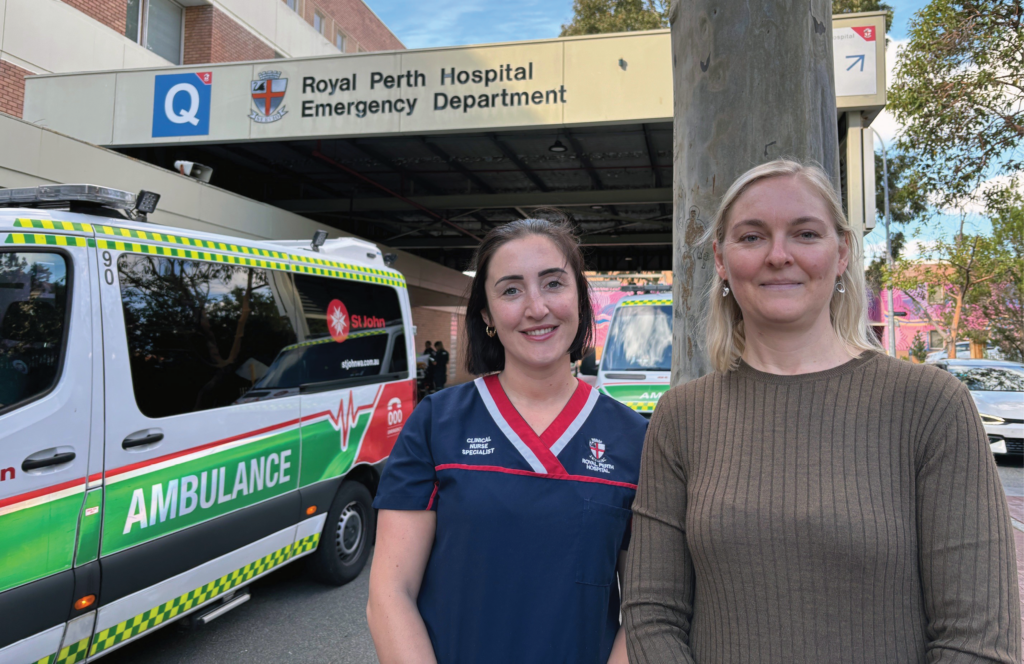
Consumers of the Aftercare Service have said that they felt valued and heard, and that the caring Team explained things thoughtfully and provided valuable next steps
Setting new standards in suicide prevention
The suicide prevention program at our Bidi Wungen Kaat Transitional Care Unit has once again been recognised, reflecting its continued excellence and meaningful impact.
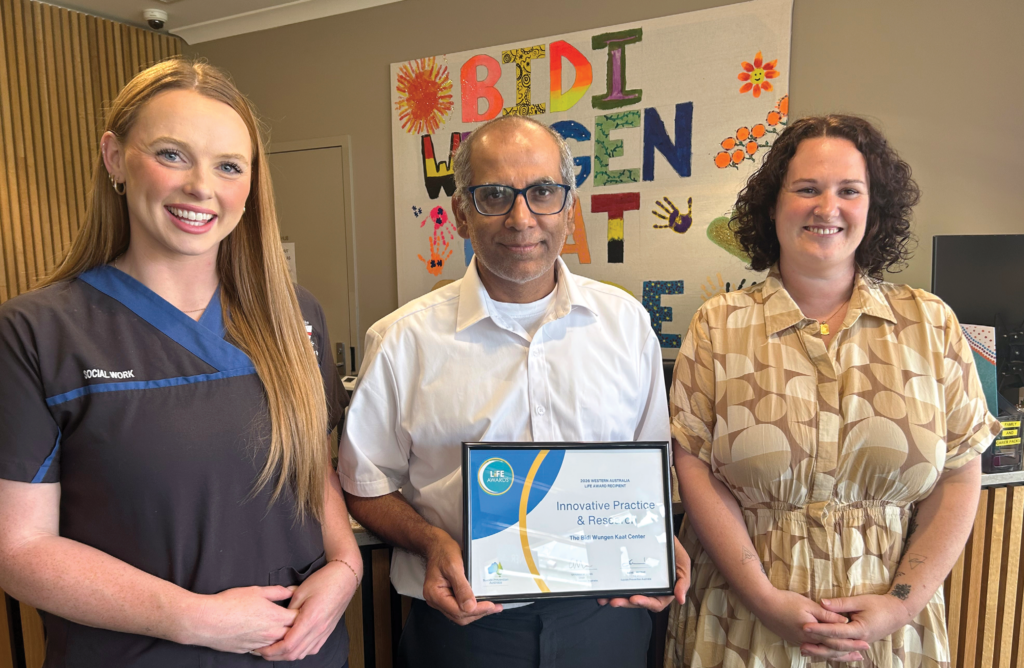
The unit won an Innovative Practice and Research Award at Suicide Australia’s 2026 WA LiFE (Living is for Everyone) Awards in March, recognising exceptional efforts in suicide prevention across Australia.
This follows earlier recognition in 2025, when Bidi Wungen Kaat, which means journey to a healthy mind, received an Excellence in Injury Recovery Award for the same program at the Injury Prevention and Safety Promotion Awards.
Located in St James, the 40-bed Bidi Wungen Kaat Centre provides an evidence-based and innovative approach to mental health care for long and short-stay patients in partnership with Mind Australia, creating a multidisciplinary team of clinical and allied health and peer practitioners.
Its Suicide Intervention Group was developed by Consultant Psychiatrist Dr Madhavan Seshadri, Mind Australia Manager Susan Greenhatch and Senior Social Worker Chelsea Gray.
The 3-session program supports people experiencing suicidal thoughts by breaking down stigma, building practical skills to manage symptoms and developing safety plans for in the community. It also encourages their active involvement in their own recovery.
“What makes this group a success is the partnership between clinicians and peer practitioners, where professional guidance is enriched by the honesty and credibility of lived experience,” Chelsea says.
“Our data shows a very positive trend between starting and finishing the course, in participants being able to identify early stages of risk and knowing how to reach out for help.”
“What makes this group a success is the partnership between clinicians and peer practitioners…”