

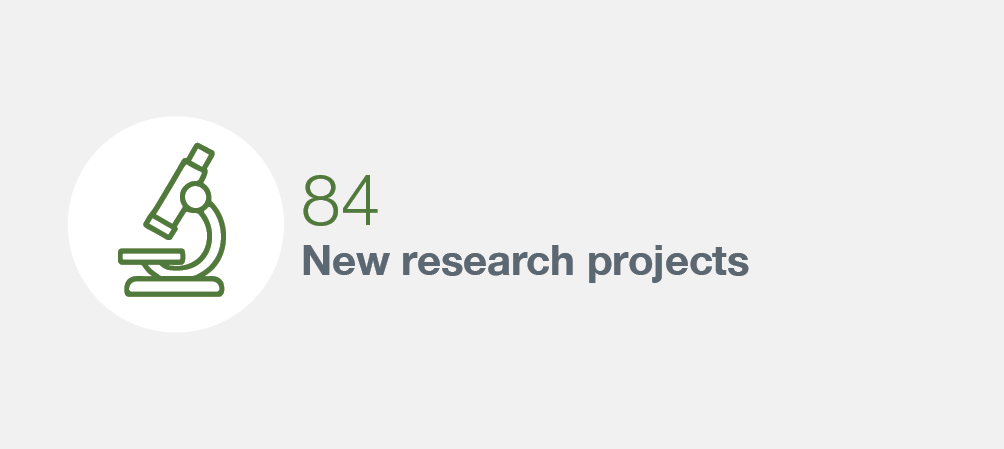
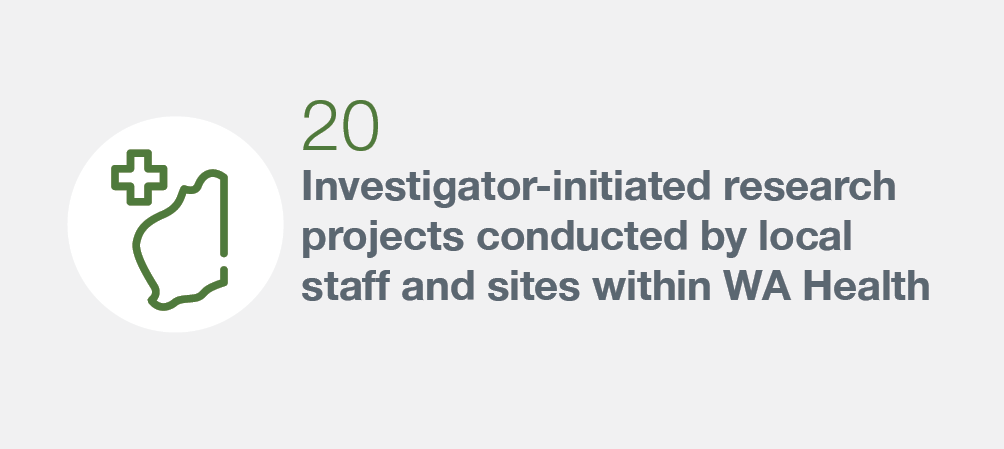
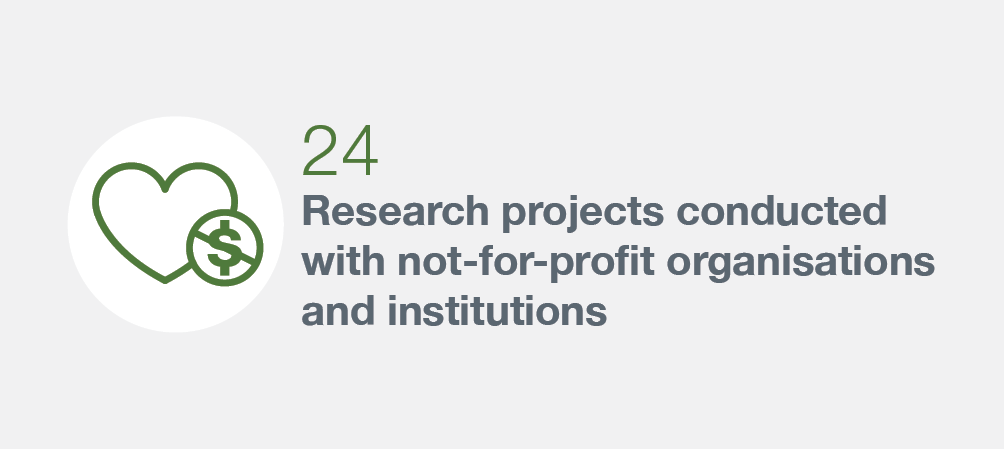
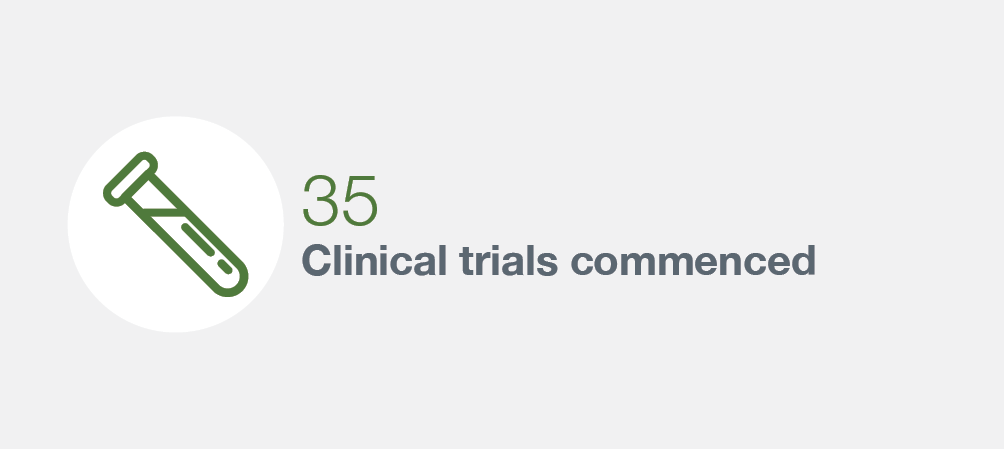
Without medical research, advances in diagnosis and treatment would not occur. At EMHS, we are unlocking new discoveries to improve the quality of healthcare available to all Western Australians, with exciting implications for patients across the world.
2025-26 research and innovation at a glance
Robotics and AI power RPH innovation
A new robotic system has been introduced at Royal Perth Hospital (RPH) to assist surgeons with complex general and urology surgery – with significant benefits for patients.
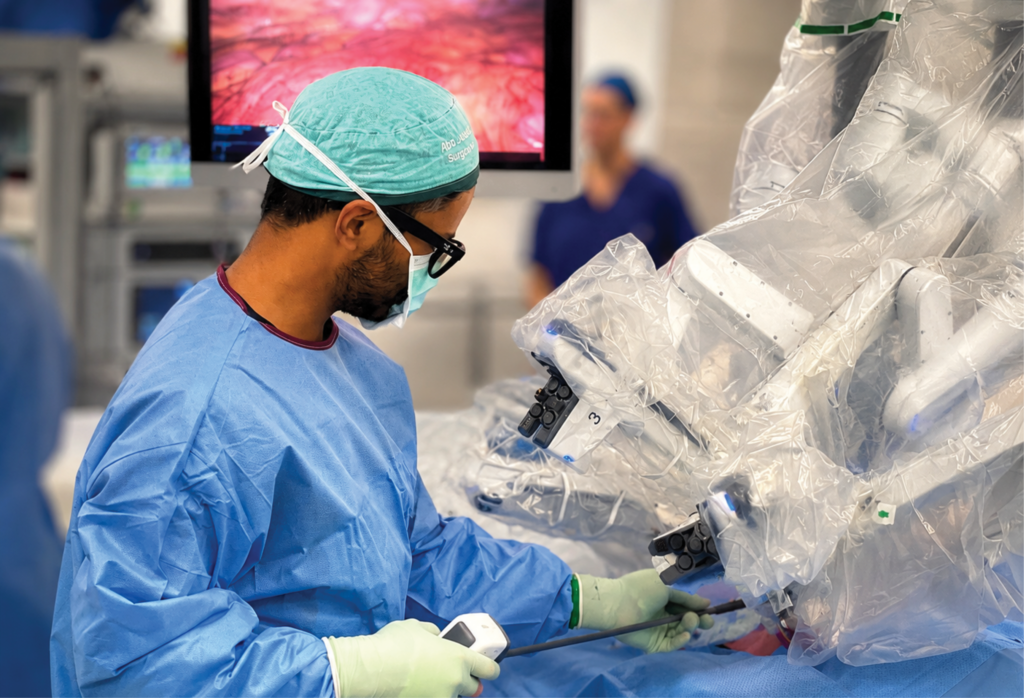
The da Vinci Surgical System − the latest step in our surgical innovation − came into use in April 2026.
The state-of-the-art equipment allows RPH’s highly skilled surgeons to perform minimally invasive procedures through tiny incisions with enhanced precision, dexterity and control.
For patients, it means smaller scars, less time under anaesthesia and a quicker recovery.
Royal Perth Bentley Group Medical Co-Director, Surgical Division, Dr Eva Denholm, says the system is a fabulous addition to the RPH surgical service.
“It has been a seamless commissioning thanks to the commitment of our multidisciplinary working group,” Eva says.
“Bringing this program online for our patients at East Metropolitan Health Service will provide significant benefits for many years to come.”
Partly funded by the RPH Research Foundation, the da Vinci system is the latest technological advance to enhance our health care.
It follows last year’s addition of the ROSA Knee System to assist surgeons with knee surgery.
As well as robotic advances, RPH also this year began trialling the use of an artificial intelligence (AI) system to optimise patient flow.
Under the $700,000 pilot, funded by the State Government, the logistics and planning system aims to predict length of stay and streamline hospital workflows to improve bed availability.
Software flags critical tasks required for discharge such as laboratory tests, imaging, allied health clearance, pharmacy medication preparation and discharge summaries, helping coordinate care more efficiently.
The pilot began in June 2026 and is planned to run for a year.
For patients, it means smaller scars, less time under anaesthesia and a quicker recovery.
Giving patients a voice
The Communication and Assistive Technology Service (CATS) is a team within EMHS’ Health Technology Management Unit (HTMU) that provides specialist multidisciplinary assessment and loan equipment to inpatients and outpatients who need access to assistive and communication technology to improve independence and overcome limitations in speech and mobility.
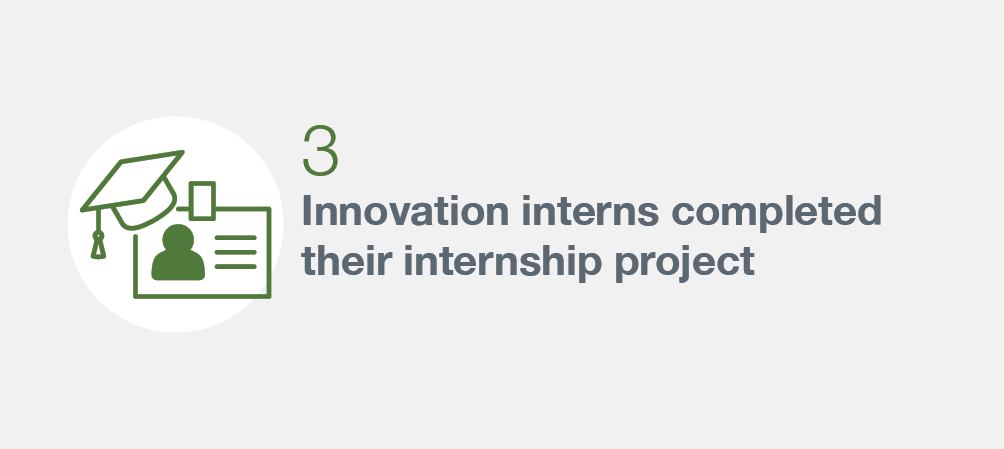
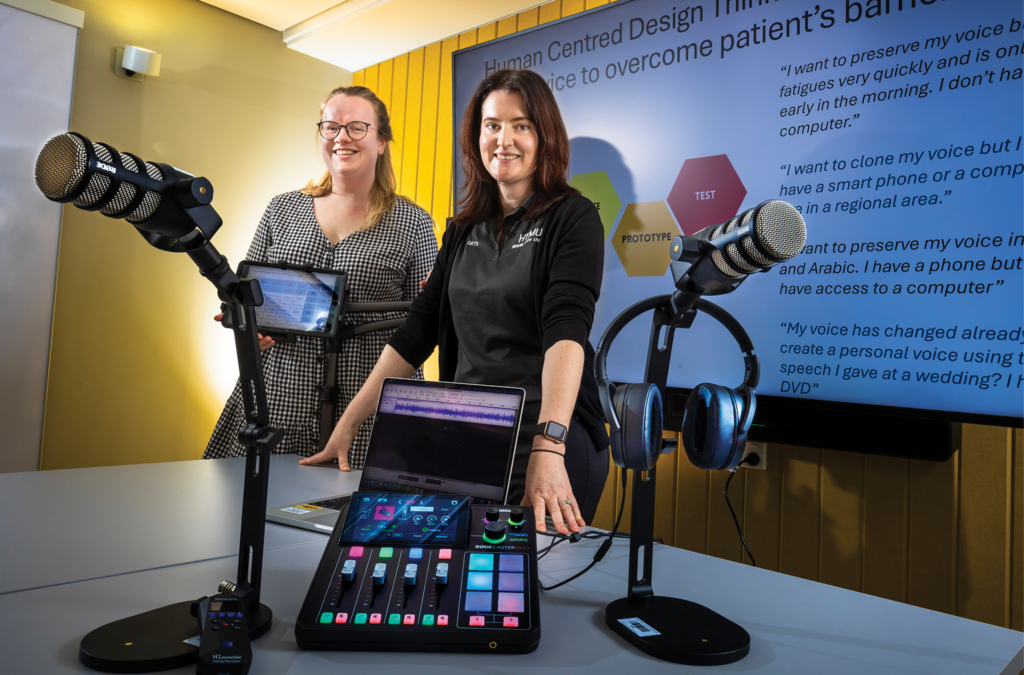
This year, CATS and the EMHS Innovation team have collaborated on an internship project, run by Senior Speech Pathologist, Libby Sinclair, to set up a pilot Voice Banking Clinic for WA patients at risk of losing their natural speech. This new service was
co-designed with patients and referrers.
Voice cloning has emerged as a product of increasing interest to patients, where patients can generate a highly realistic AI digital copy of their voice that can speak on communication devices and mobile phones. This helps preserve identity and a sense of self when they are no longer able to speak. While the technology has existed commercially for several years, patients were struggling to access these products due to a range of technical and knowledge barriers.
Through collaboration with the Scientific Computing team in HTMU, the Voice Banking Clinic has developed an in-house AI audio cleaning and voice cloning tool, which will vastly improve staff efficiency when editing patient voice recordings for cloning and ensure all patient voice data is stored and processed within EMHS.
This cloning tool will offer patients increased control and choice when voice cloning in the future.
The clinic has established patient pathways for recording and cloning their voices in clinic, at home and remotely using a range of supported processes that provide the necessary equipment and support.
The pilot received 23 referrals over 4 months, with 9 patients successfully preserving their voice, and 12 in progress. All consumers have indicated satisfaction with their completed voice.
Landmark partnership in healthcare innovation
EMHS is leading the way in healthcare innovation, with the signing of a Memorandum of Understanding (MoU) with The University of Western Australia (UWA).
The MoU was enacted through Perth Biodesign – marking an exciting new chapter in a partnership already delivering real results for our clinicians and patients.
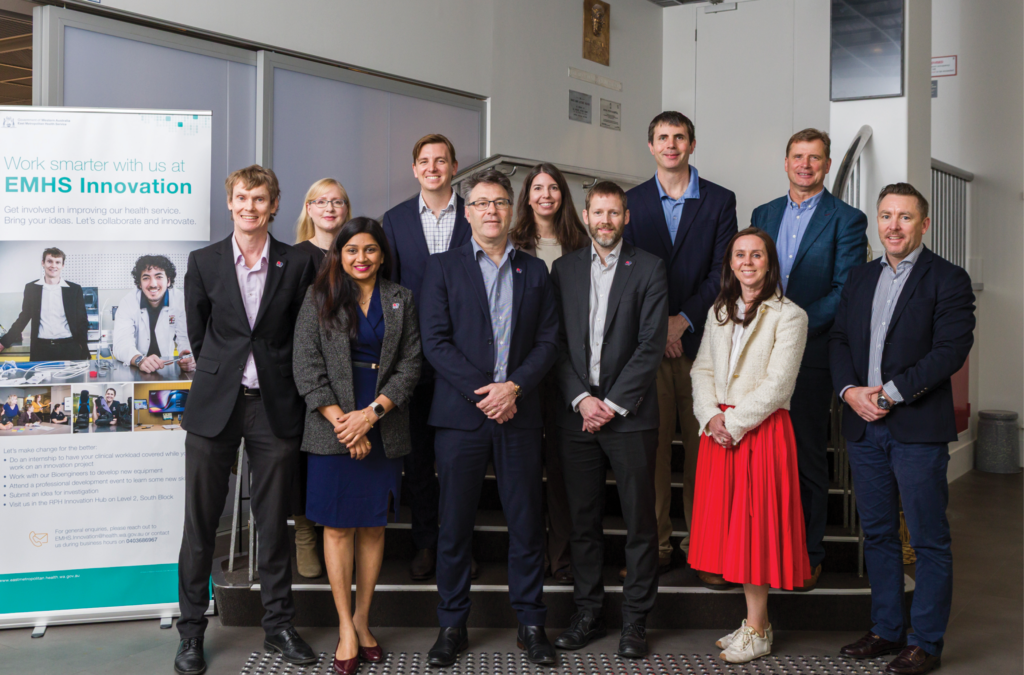
The MoU was celebrated on 22 May 2026 at the EMHS Innovation Hub at Royal Perth Hospital (RPH), which welcomed an international Perth Biodesign delegation as part of the organisation’s 10-year anniversary celebrations.
Representatives from leading innovation and MedTech organisations were in attendance – including Stanford University, the New England Medical Innovation Centre, the University of Galway, and BioInnovate Ireland – placing EMHS firmly on the global stage of healthcare innovation.
The partnership formalises a collaboration growing since 2023 through the UWA Biomedical Engineering Capstone Program, which pairs final-year engineering students with EMHS clinicians to tackle real clinical challenges. Working over 9-months, using the Biodesign methodology, student teams develop innovative solutions that EMHS can assess for real-world implementation.
Our clinicians gain fresh perspectives and exposure to structured innovation thinking, while students benefit from working on problems that genuinely matter.
With the MoU running through to 2029, EMHS and UWA are committed to deepening this partnership – continuing to lead the way in building a culture of innovation that benefits our staff, our students, and our community.
Dr David Morrison, Innovation Technical Lead at the RPH Innovation Hub, has overseen the growth of the collaboration.
“The students grow so much over the 9-month program,” David explained.
“They are exposed for the first time to the challenges of a large and complex health system and have to innovate possible solutions.
“We are not only tackling real unmet clinical needs at EMHS, but we’re developing the new generation of Biomedical Engineers.”
“We are not only tackling real unmet clinical needs at EMHS, but we’re developing the new generation of Biomedical Engineers.”
EMHS team helps in Staphylococcus treatment
Two EMHS hospitals are involved in a worldwide trial which has found that the broad-spectrum antibiotic Cefazolin is the best first option for treating all susceptible Staphylococcus cases.
The finding has been submitted for publication in the prestigious New England Journal of Medicine.
Staphylococcus aureus, commonly known as golden Staph, is one of the most serious bloodstream bacterial conditions, with about 5,000 infections a year in Australia.
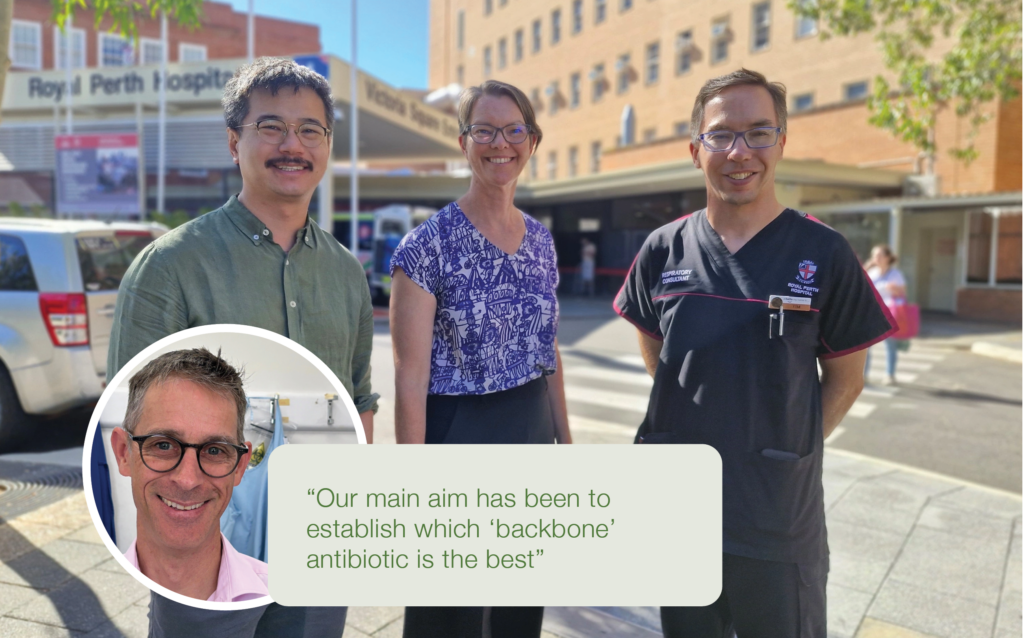
Associate Professor Owen Robinson said the SNAP trial (Staphylococcus aureus Network Adaptive Platform) has, so far, involved 265 patients at Royal Perth Hospital (RPH) and 33 patients at Armadale Hospital (AH) – as well as patients from 2 other WA hospitals – and its findings have dramatically changed clinical practice.
“Our main aim has been to establish which ‘backbone’ antibiotic is the best,” Owen said.
“Data analysis has discovered that Cefazolin is superior to Flucloxacillin and now Cefazolin has become the preferred agent to prescribe,” he said.
Joining Owen in the research team are doctors David New, Tim Whitmore and Katherine Norton from Royal Perth and Armadale Hospitals.
Since it started in 2022, more than 12,000 patients across 15 countries and 150 hospitals – including Fiona Stanley Hospital and Perth Children’s Hospital – have joined the study.
Their combined interest is based on the seriousness of Staphylococcus and the fact that little progress has been made on improving treatment options in recent decades.
When the bacteria enters the bloodstream, it can cause an overwhelming immune response, called sepsis, leading to possible organ failure and, in 15 to 20 per cent of cases, death.
Patients are hospitalised and typically receive intravenous antibiotics for at least 2 weeks.
For information about the SNAP Trial, visit SNAP Trial – Staphylococcus aureus Network Adaptive Platform Trial
Snakebite study helps define antivenom use
A long-term snakebite study involving hundreds of patients in emergency departments across Australia has radically changed the treatment for victims, according to RPH Clinical Toxicologist and Researcher Dr Jessamine Soderstrom.
By collecting clinical details and blood serum from patients over the past 20 years, Jessamine said researchers had answered many questions about how venom works, the need to administer early antivenom and the doses required.
The Australian Snakebite Project (shortened to ASP – the same name as a species of snake) is being coordinated with Dr Geoff Isbister at the Calvary Mater Newcastle Hospital in New South Wales, along with Jessamine from the RPH Centre for Clinical Research in Emergency Medicine.
The latest research paper from ASP describes the cohort of patients who have early cardiovascular collapse from snake venom – primarily from brown snakes.
Collapse occurs within an hour of the bite and, sadly, 16 per cent of these patients do not survive.
“The participation of hospitals across Australia has been invaluable in determining the mechanism of how venom works,” Jessamine said
“We still have many questions to answer about the effects of different venoms and refining the treatment required,” she added.
In WA, the research involves RPH, Sir Charles Gairdner, Fiona Stanley and Rockingham General hospitals, Armadale Hospital and regional hospitals under the WA Country Health Service.
Between 2005 and 2020, about 2,180 people with snakebites around the country were recruited to ASP. This included 1,259 who had been envenomed and 182 from WA, mainly from brown snakes and tiger snakes.
The project, initially funded by the National Health and Medical Research Council, aimed to:
- understand the clinical picture produced by different snakes
- define how much antivenom is needed and the timing to administer it
- determine the use and role of blood products in reversing some of the toxicity from snake bites
- understand how venom works.
“The ASP study has changed the way we manage snake bites, in particular the dose and timing of antivenom. We now know that the early use of antivenom prevents some of the damage from venom to muscles and nerves,” Jessamine said.
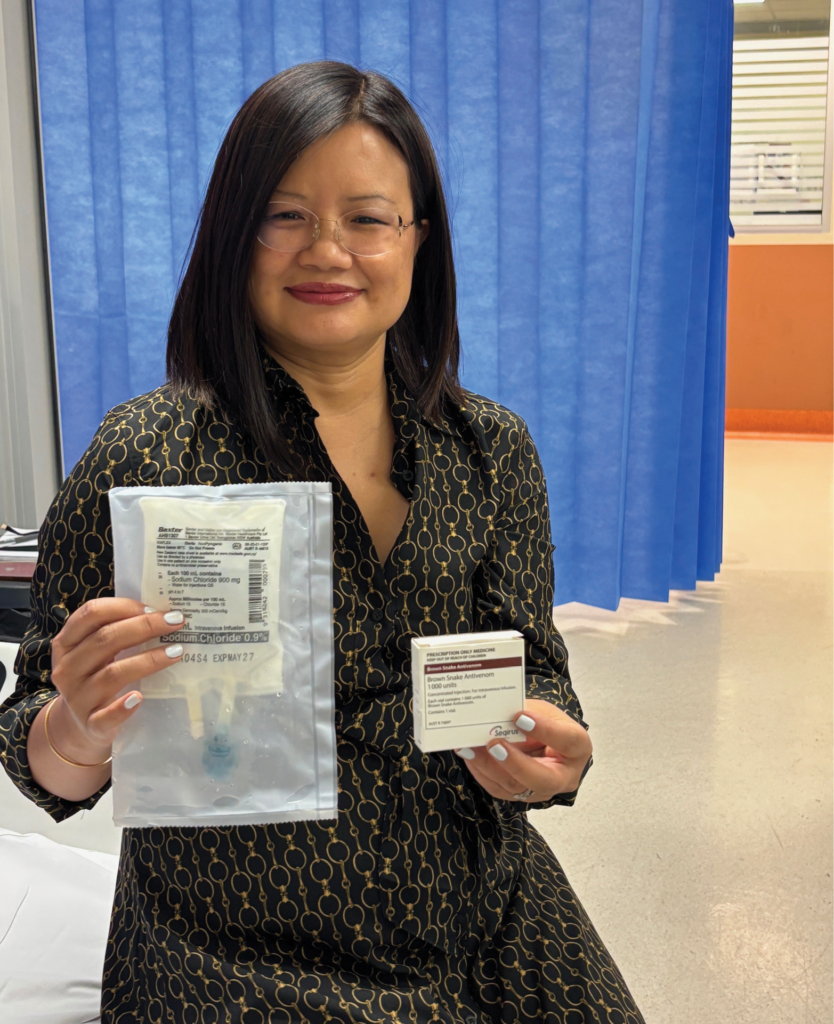
“The participation of hospitals across Australia has been invaluable in determining the mechanism of how venom works”
RPH Research Foundation
In 2025, the RPH Research Foundation launched its inaugural Ignition Grants Program, investing $500,000 to support bold, early-stage research with strong potential to improve patient care.
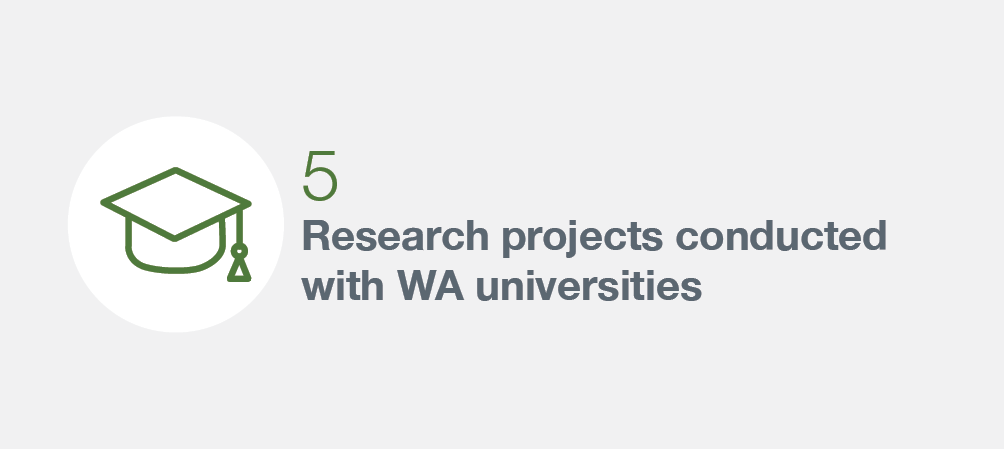
The program awarded up to $100,000 per project to 5 projects led by early and mid-career researchers across EMHS in cardiac care, intensive care and advanced therapies, enabling them to test innovative ideas, generate critical preliminary data, and accelerate pathways to real-world clinical impact.
The RPH Research Foundation also awarded $99,694 across 5 innovative projects led by nursing and allied health professionals with the 2026 Nursing and Allied Health Grants. These grants support practical, patient-focused research that address everyday challenges in healthcare, from improving communication and cultural understanding, to testing new models of care.
On Friday 31 October 2025, the RPH Research Foundation held its annual Research Awards Day.
Dr Chris Lim and Dr Courtney Weber were co-winners of the Professor Lyn Beazley AO Emerging Leader Award, while Rebecca Crellin was the recipient of the Doreen McCarthy Nursing Research Award. Amada Quek received the Early Career Publication Award, and the Mentorship Award went to Consultant Haematologist Professor Wendy Erber.
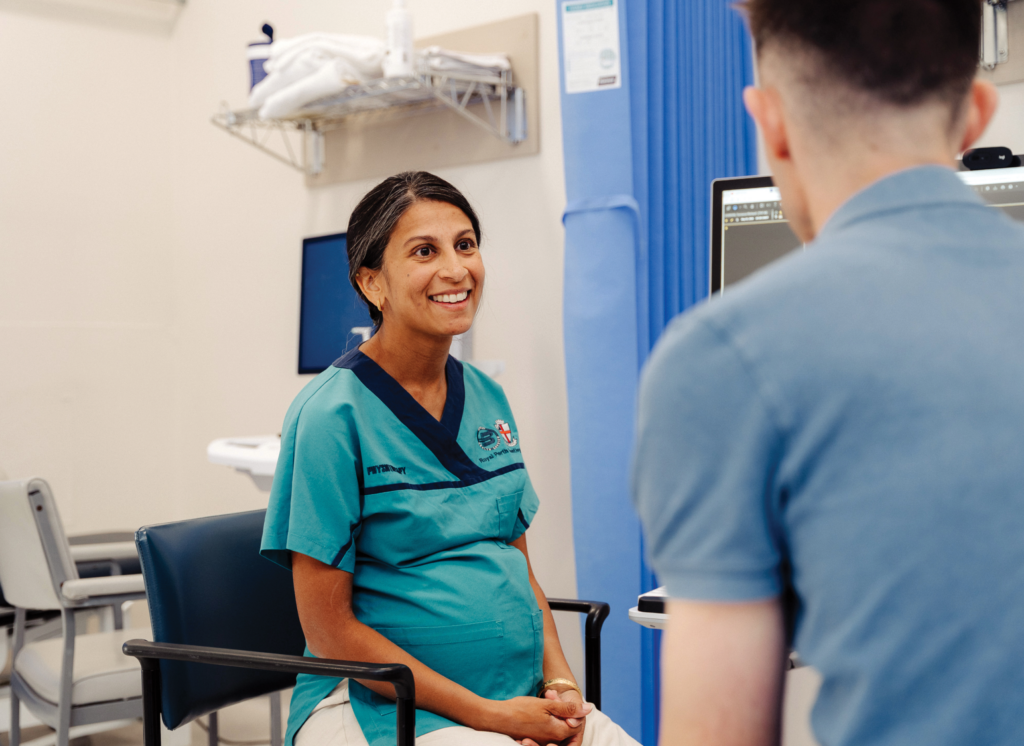
Telethon backs groundbreaking CAR T-Cell research for children with neuroblastoma
The RPH Research Foundation also received funding from Telethon to support an innovative research project aimed at advancing a potentially life-saving treatment for children with one of the most aggressive forms of cancer.
Led by Associate Professor Zlatibor Velickovic, this project is laying the groundwork for a new immunotherapy approach using GD2-directed CAR T-cell therapy. Neuroblastoma is the most common solid tumour in early childhood and remains one of the deadliest paediatric cancers, with children who relapse facing survival rates of less than 10 per cent.
With Telethon’s support, the team at Cell and Tissue Therapies WA will undertake a pilot study to establish the manufacturing processes needed to produce these specialised CAR T-cells in WA. This includes developing Good Manufacturing Practice (GMP) protocols, validating production methods and assessing scalability to enable future clinical trials.
This project is believed to be the first initiative in Australia to establish GMP manufacturing capability for GD2-targeted CAR T-cell therapy for paediatric neuroblastoma. By building this capability locally, WA children and their families may one day have access to cutting-edge treatment closer to home, reducing the need to travel interstate or overseas during an already challenging time.
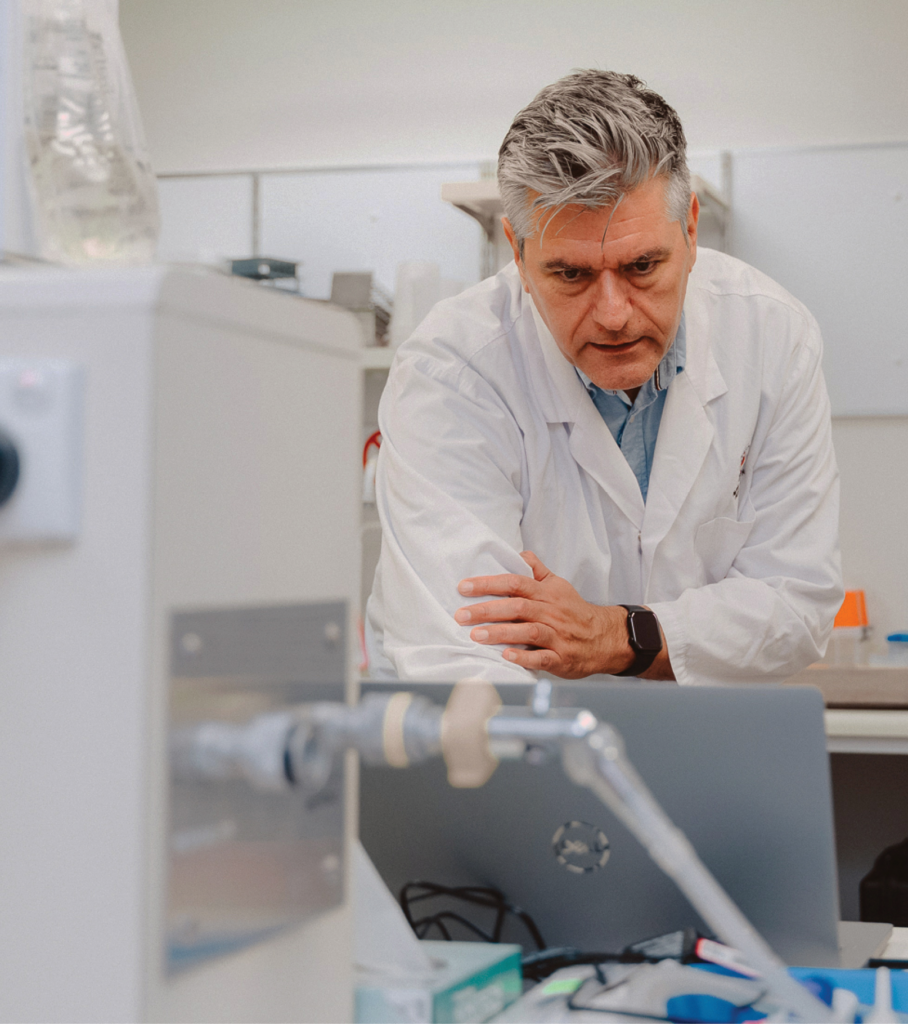
Bringing advanced therapy closer to home
In 2025–26, Cell and Tissue Therapies WA (CTTWA), located at Royal Perth Hospital (RPH), secured a variation to its Therapeutic Goods Administration (TGA) manufacturing licence, enabling it to produce Chimeric Antigen Receptor (CAR) T-cell and tumour-infiltrating lymphocytes (TILs) therapies for clinical use.
CTTWA is WA’s only hospital-based TGA-licensed manufacturer of these advanced living medicines, and one of only a few facilities of its kind in Australia. This strengthens EMHS’ role in a capability of national significance.
For EMHS and the patients it serves, the impact is immediate. CAR T-cell therapies treat blood cancers, including leukaemia, lymphoma and multiple myeloma, while TIL therapy offers new hope for people with advanced melanoma.
Until now, these treatments have largely been available only through costly, time-consuming international supply. Being able to manufacture them locally, at the place of care and within the public health system, improves access and affordability for Western Australians who need them, and shows EMHS bringing some of the world’s most advanced therapies directly to patients.