

Implementation of the eReferral Digital Outpatient Referral System
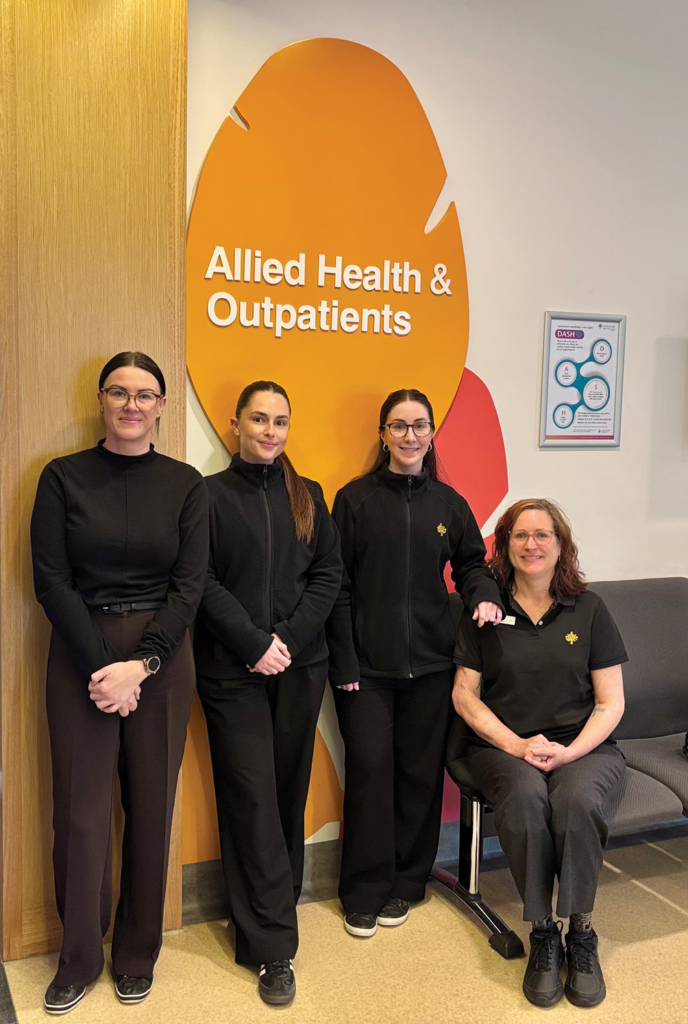
St John of God Midland Public Hospital (SJGMPH), in partnership with EMHS, implemented the eReferral digital outpatient referral system to modernise referral processes and improve interoperability with WA Health sites. The initiative replaces manual, email and fax‑based workflows with a structured, secure digital platform that enhances referral quality, visibility and efficiency.
A phased rollout commenced in October 2025, with physiotherapy and podiatry piloting inbound digital referrals. The pilot delivered immediate improvements in data accuracy, triage efficiency and transparency of referral status for both referring and receiving sites.
Following its success, all SJGMPH public outpatient services transitioned to eReferrals in February 2026, receiving 362 digital referrals in April alone. Outbound referrals commenced shortly after, with podiatry sending referrals to WA Health sites from April 2026. Expansion to the Emergency Department is planned, supporting one of the hospital’s highest‑volume referring areas.
The initiative strengthens alignment between SJGMPH and WA Health, improves information security, reduces administrative burden and enhances coordination of care across EMHS.
Keeping EMHS cyber secure
During 2025-26, the EMHS Cyber Security Unit continued to strengthen organisational resilience and maturity, with a strong focus on protecting patient safety, ensuring service continuity, and aligning with State and Commonwealth cyber security obligations. Cyber security remains a recognised enterprise risk for EMHS, with ongoing uplift activities progressing to address vulnerabilities within a complex and highly interconnected clinical and digital environment.
Key achievements across the year included the advancement of governance, risk, and compliance practices, including the completion of the Essential Eight Annual Implementation Report for 2025, and continued alignment to the WA Government Cyber Security Policy and Security of Critical Infrastructure (SOCI) obligations. EMHS maintained foundational maturity across several Essential Eight controls, while progressing broader ‘Further Five’ capabilities which include:
- server application hardening
- block spoofed emails
- network segmentation
- continuous incident detection and response
- personnel management.
The Cyber Security Unit also delivered a range of operational and preparedness initiatives to improve organisational readiness. This included multiple incident response tabletop exercises across business areas, strengthening coordination and response capability for significant cyber events. Targeted cyber security awareness programs were delivered across the organisation, including leadership-focused workshops and Cyber Security Month activities, supporting improved cyber hygiene practices and workforce awareness of threats to sensitive health information.
From an operational perspective, the team continued to actively triage and respond to cyber security incidents and events, while enhancing visibility across the environment through improved access to security monitoring platforms. Vulnerability management remained a priority area, with measurable progress in server patching and reduction of legacy vulnerabilities, supported by structured risk-based exemption and remediation processes to minimise disruption to critical clinical services.
Importantly, EMHS Cyber continued to work collaboratively with Health Support Services (HSS), the Department of Health, and internal stakeholders to strengthen shared-service delivery models and support system-wide cyber resilience initiatives.
Collectively, these activities represent a continued uplift in EMHS’ cyber security posture, positioning the organisation to better prevent, detect and respond to evolving cyber threats while safeguarding critical health services.

Expanding East CareConnect services
East CareConnect, our ‘hospital without walls’, expanded services across the EMHS catchment in its first year of operations.
Launched in June 2025, East CareConnect unified our virtual, in-home and community-based services under a single model. These included the groundbreaking virtual services, Health in a Virtual Environment (HIVE) and Community Health in a Virtual Environment (Co-HIVE), and hospital-at-home service, Home Hospital.
Over the past year, East CareConnect has continued to grow and evolve. Existing services have expanded, while new services have strengthened our reach across the community.
Home Hospital is now available through St John of God Midland Hospital, following earlier rollouts at Royal Perth Hospital (2 years ago) and Armadale Hospital (one year ago).
Co-HIVE, which delivers specialist geriatrician-led virtual care and support, has strengthened partnerships across metropolitan, regional and aged care settings, and is progressing towards a statewide model.
A virtual Older Adult Community Integrated Care Hub has complemented a physical hub currently operating from Bentley Hospital. Together, they support coordinated care for older adults − particularly in managing complex conditions − to avoid hospital admissions.
Innovation remains a key focus. HIVE has been trialling new wireless monitoring devices, while our data science teams are developing artificial intelligence tools to support discharge planning for the Royal Perth Hospital trial.
Several additional services have also joined East CareConnect, including the Voluntary Assisted Dying Service, Aged Care Assessment Team and GP Liaison Service. These services help deliver and coordinate care beyond traditional hospital settings through a mix of virtual, in-home and community-based approaches.
Virtual services are now a core part of how EMHS delivers care, building on a solid foundation of accessibility and equity. East CareConnect continues to support a more connected, future-focused healthcare system.
Digital controlled drug register delivers better oversight and efficiency

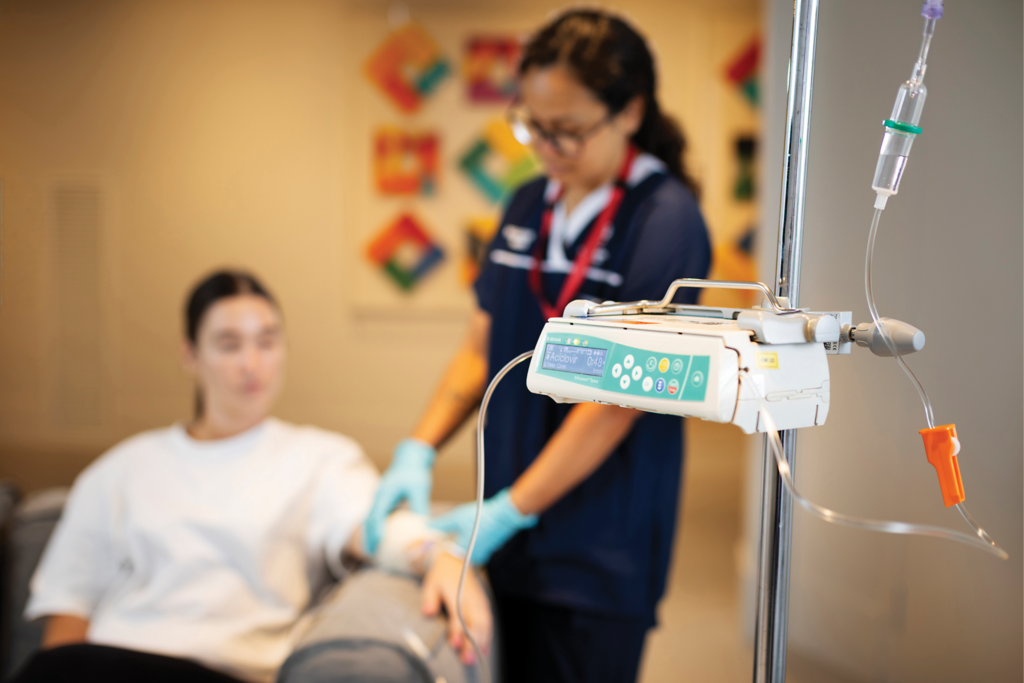
A digital system was implemented over 10 months commencing in April 2025, to record and track controlled medications across our hospital network. The system significantly improves governance and oversight, streamlines workflows, and enhances the efficiency in the management of controlled Schedule 8 (S8) and Schedule 4 Restricted (S4R) medications.
Our rollout of the MedX Electronic Controlled Substance Register (ECSR) was completed in February 2026. We became the first WA Health Service Provider to fully manage controlled S8 and S4R medications electronically.
This also marked Australia’s first closed-loop system to track medications from Pharmacy distribution to ward receipt, with full tracking back to Pharmacy.
Key features and benefits include real time medication tracking, secure user logins, audit trails, automated scheduled ordering, and reduced administrative burden on staff.
EMHS Executive Director of Nursing, Midwifery and Patient Support Services, Dori Lombardi said, “The achievement is about more than technology. It’s about strengthening governance, improving safety and supporting our staff with systems that make their work easier and more reliable.”
The ECSR was introduced after sector-wide Corruption and Crime Commission audits in 2017 and 2018 identified the need for electronic management of S8 and S4R medications.
It is also part of a broader WA Health shift towards modern, paperless medication management systems and processes.
“The achievement is about more than technology. It’s about strengthening governance, improving safety and supporting our staff with systems that make their work easier and more reliable.”