

Building our workforce
Developing our people
The EMHS Plan for Our People 2025-2030 is our workforce strategy which sets out the challenges of the future as we see them, articulates how we intend to respond, and identifies the capabilities we need to best position our workforce – our most valuable assets – to deliver the best care possible. The Plan summarises our people priorities into 4 people pillars:
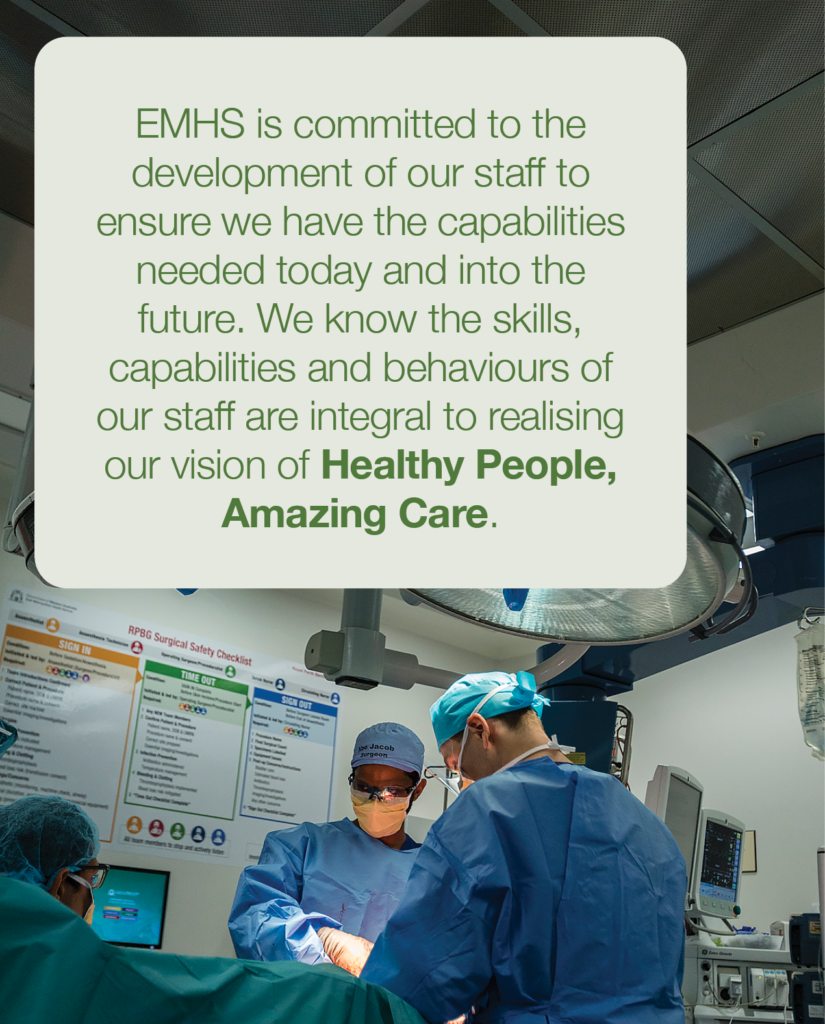
Our Plan has a strong focus on building our workforce capability at all levels of the organisation. Over the past year, EMHS has progressed several development initiatives, including:
- design of new EMHS manager and leader development programs, ensuring our leaders are competent to tackle the opportunities and challenges in their roles, are adaptive with skills to mentor and develop others and foster positive workplace wellbeing
- introduction of our Leading with Authenticity in Practice (LEAP) Clinician to Manager program, supporting our clinicians who have aspiration for a management career
- development of our Rising Clinical Leaders program for our emerging clinical nurses and midwives, to build confidence and skills in readiness for career advancement
- building Aboriginal inclusive leadership in partnership with Garlett Group, to expand our cultural competence and foster cultural safety
- enabled a safe to speak up culture through implementation of our Speak Up, Listen Up program
- continuing our engagement in the Public Sector Commission’s Solid Futures Aboriginal Traineeship program and Department of Health’s Aboriginal Cadets and Graduate programs.
Work Health and Safety
EMHS is committed to understanding and managing its health, safety and wellbeing risks to proactively maintain worker wellbeing and prevent injuries. EMHS Work Health and Safety (WHS) systems are regularly audited, with the last systems audit completed in August 2024.
During 2025-26 EMHS was issued with 4 improvement notices from WorkSafe WA. All of those notices, together with 2 from the previous year, have been satisfactorily closed. One improvement notice (from Feb 2025) is currently open and work is ongoing to ensure it is finalised.
The potential for EMHS workers to be exposed to workplace aggression and violence persists and is the most reported category of workplace incidents. The Managing Aggression Proactively (MAP) strategy has continued to be rolled out. A key initiative has been the implementation of the Vocera communication system in some of our high-risk areas to support staff when responding to incidents of violence and aggression. The Behaviour Support Team (BeST) has been active at Royal Perth Hospital (RPH) since May 2025 and is in the process of being evaluated, with initial feedback from staff being very positive.
Although aggression is the most commonly reported incident type, more injuries are caused by manual tasks across EMHS, and these are trending downwards. Priority areas for intervention include availability and suitability of equipment, hazardous manual task risk assessments to develop standard operating procedures, work design and continued data collection and learning.
Governance, compliance and consultation
EMHS has active WHS committees covering all departments. These committees are made up of elected health and safety representatives (HSRs) and management representatives who facilitate consultation and communication and are an escalation point for WHS matters. As at the end of 2025-26, EMHS had of 228 elected HSRs, after holding elections under WHS legislation during March 2026. 189 of elected HSRs have completed a 5-day introductory course and 100 have completed a refresher, ensuring workers are represented on all issues relating to their health and safety in the workplace. EMHS WHS facilitates an education program providing opportunities for in‑service training and support for all HSRs with an HSR Forum held in February 2026, which included a focus on psychosocial hazards as a key emerging risk.
WHS indicators
1. Number of fatalities
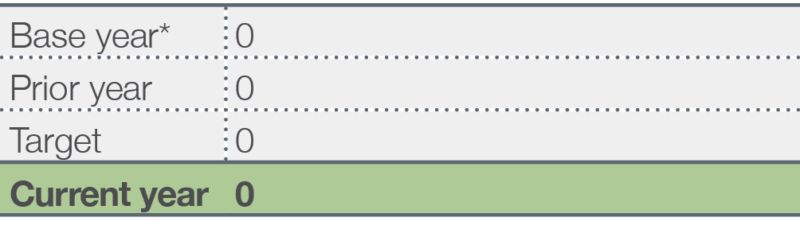
2. Incidence of work-related injury or illness
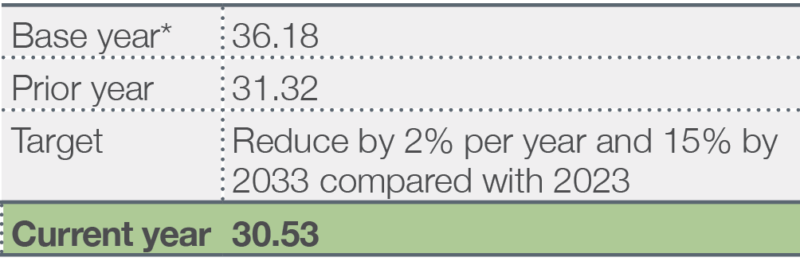
3. Incidence rate of serious claims with one or more weeks’ lost time
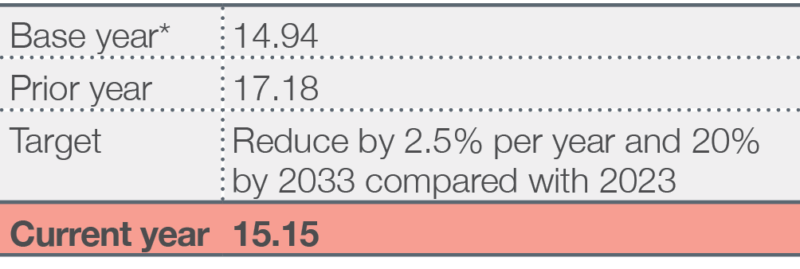
4. Incidence rate of claims resulting in permanent impairment
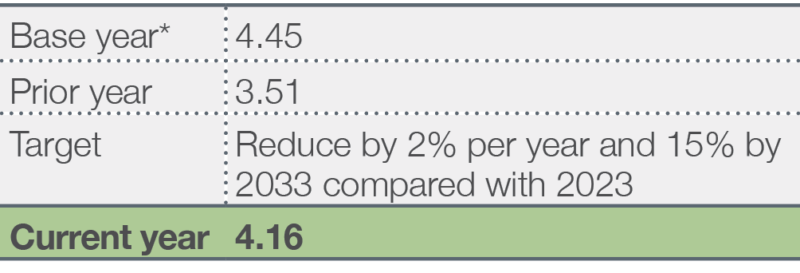
5. Incidence rate of work-related respiratory disease
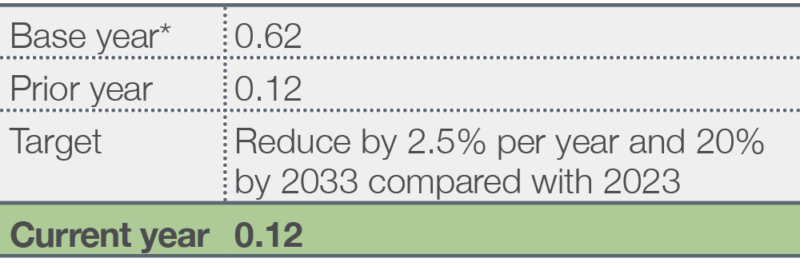
6. Managers and supervisors trained in:
i. WHS as relevant to the risk profile
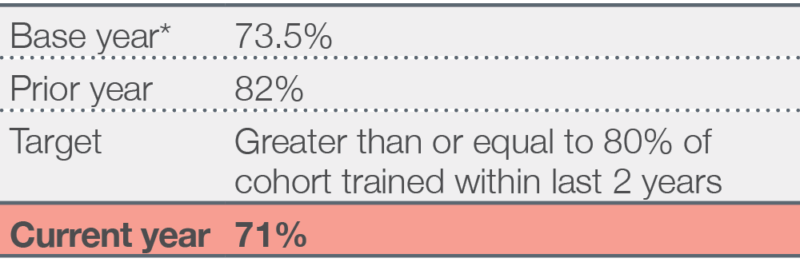
ii. Injury management
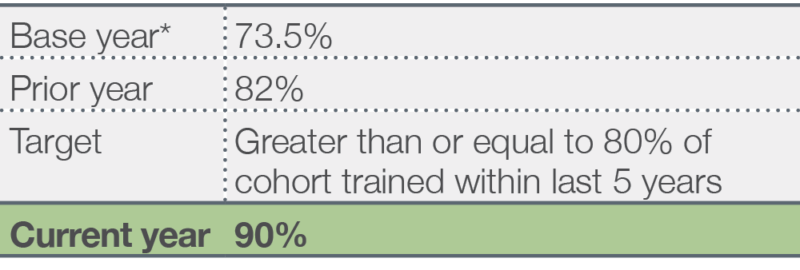
7. Percentage of workers returned to work on full duties and hours
i. Within 13 weeks
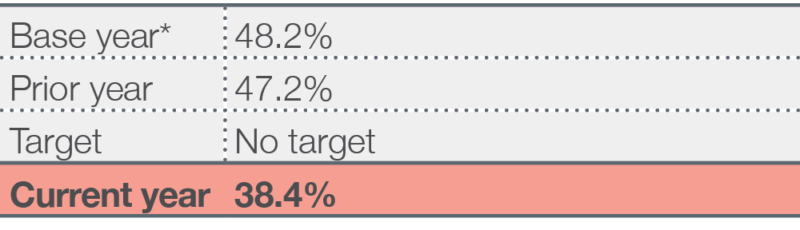
ii. Within 26 weeks
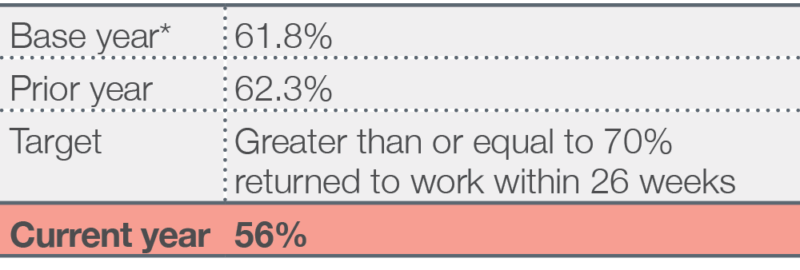
- RTW programs are discussed at lodgement of claims and are developed in consultation with the injured worker, line managers and treating practitioners, with a view to facilitating recovery at work and early return to duties
- RTW programs are compliant with the new regulatory requirements
- training has commenced for managers on the importance of early return to work and their support for the process
- claims reviews with managers and with the insurer are in place
- Injury Management team attend regular GP case conferences to discuss RTW goals, duties and progress.
Consultative systems:
EMHS has a number of WHS committees and sub-committees, including:
Armadale Kalamunda Group (AKG)
- AKG WHS Committee
Royal Perth Bentley Group (RPBG)
- Surgical Division WHS Committee
- Medical Division WHS Committee
- Hospital Logistics and Acute Access (HoLAA) Division WHS Committee
- Allied Health WHS Committee
- Clinical and Corporate Services WHS Committee
- Patient Support Services (PSS) WHS Committee
- Bentley & Mental Health WHS Committee
EMHS
- EMHS Group Services WHS Committee
- Facilities Management WHS Committee
Notes
*The performance reporting examines a 3-year trend and, as such, the comparison base year is to be 2 years prior to the current reporting year, where data is available.
Data source for mandatory WC/IM data reporting items is ICWA WHS and IM Report 2025-26.
Indicators 2, 3, 4, and 5 are calculated by number of claims divided by reported FTE for financial year, multiplied by 1,000.
Injury management
EMHS’ systematic approach to workplace-based injury management services following work related injuries and illnesses fosters an environment where workers return safely to productive employment as soon as practicable.
EMHS has an Injury Management (IM) team within the Work Health and Safety department that supports managers, injured workers and treating practitioners to achieve the best outcomes for injured staff and the organisation in collaboration with the Insurance Commission of WA (ICWA). Additionally, the IM team works with EMHS Human Resources and managers to support employees with a personal illness or injury to remain safe and productive at work wherever possible.
A Psychological Early Intervention Program (PsychEIP) commenced in April 2026. The program aims to support staff at risk of a work-related psychological injury while staying in the workplace to support better outcomes and prevent the need to claim worker’s compensation. If the staff member does need to move into the worker’s compensation system, treatment is already underway and can continue under a claim leading to a higher likelihood of recovery.
The program will be reviewed in July to evaluate initial results and ensure the program is meeting the needs of EMHS before a full review in January 2027.
Critical to improving return to work is the engagement of line managers with the IM team to support early engagement with the employee, identification of suitable duties, participation in return to work (RTW) planning and reinforcing expectations of recovery at work and progression to full duties. EMHS has engaged ICWA to provide training for managers on their role in injury management and return to work. 64 leaders in high impact areas have attended training. Feedback from managers has been positive and therefore an ongoing schedule of sessions are being planned.
IM services were internally audited in 2024-25 with the final report received in February 2026. Four of the 6 recommendations have been completed. EMHS was also audited by the Office of the Auditor General as part of their Performance Audit: Management of injured workers in the public sector during 2025-26 with a final copy of the report pending. Proposed recommendations include seeking feedback from stakeholders about claim experience to guide future improvement opportunities, improving identifying and recording barriers to return to work, and establishing clear job analysis and capabilities including a centralised register for alternative duties to support early and proactive approach to injury management. EMHS is currently implementing these recommendations.
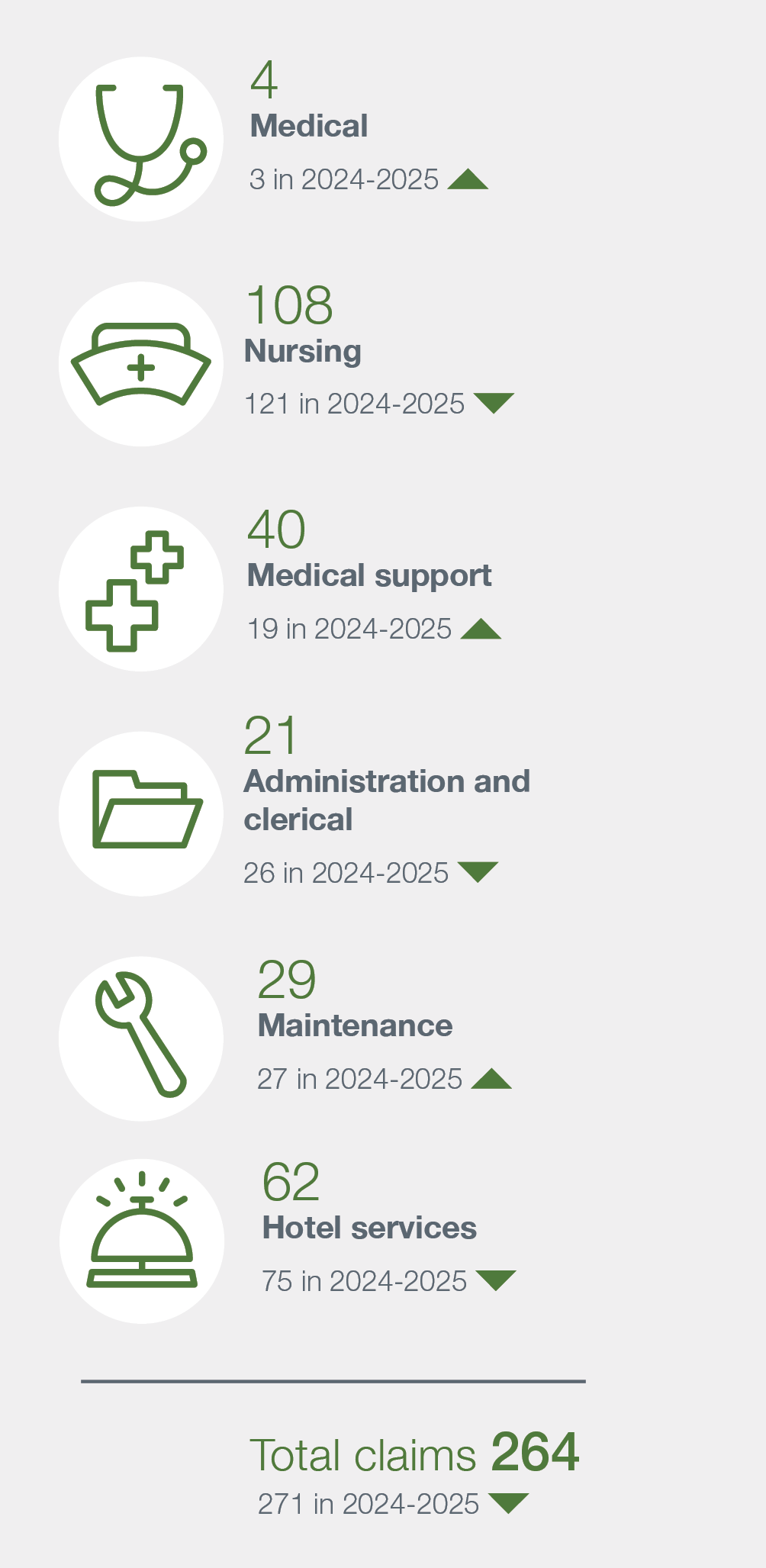
2025-26 workers’ compensation claims by occupational category
Leading the way in caring for carers
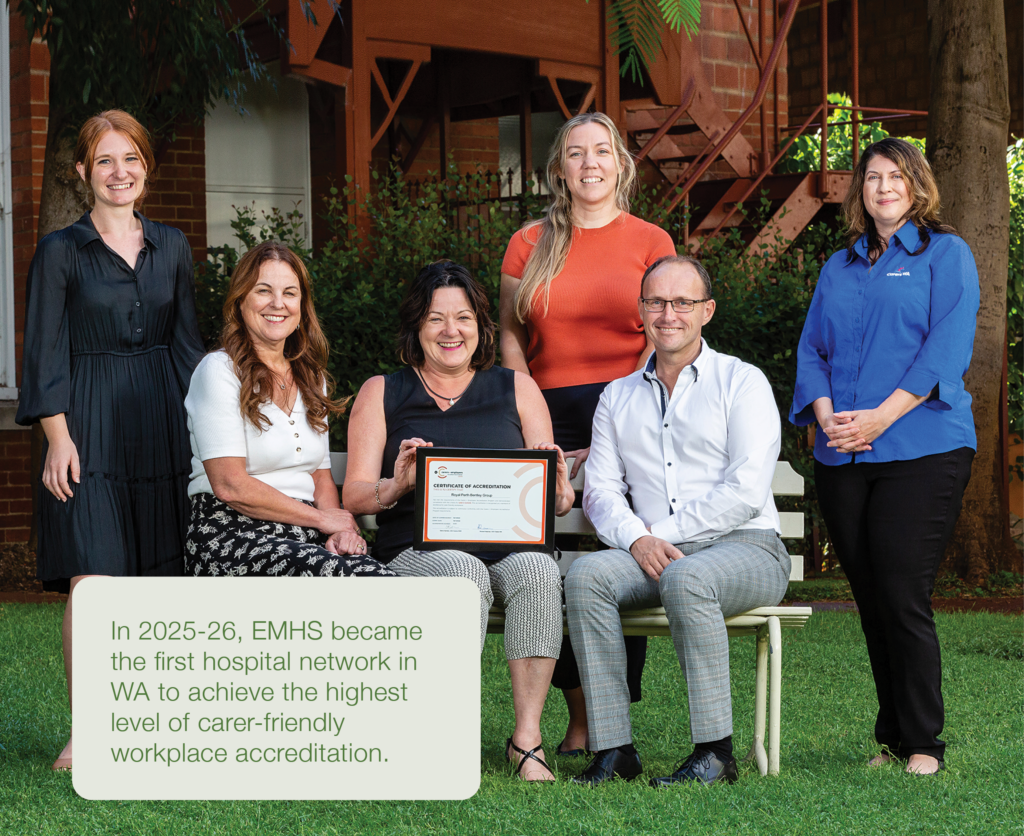
In 2025-26, EMHS became the first hospital network in WA to achieve the highest level of carer-friendly workplace accreditation.
This achievement reflects our strong commitment to supporting employees with caring responsibilities through inclusive policies, flexible work practices and a supporting workplace culture.
Carers WA deliver the national Carers and Employers program in WA on behalf of Carers New South Wales.
Reaching Level 3 – EXCEL shows carer-friendly principles are embedded across our organisation and supported by our leadership, systems and everyday practice.
Our initiatives to recognise and support carers include flexible work arrangements, ongoing consultation, partnerships with Carers WA and active involvement in Carers Week.
These efforts are highlighted through executive-backed YouTube videos sharing personal carer stories across all levels of the organisation and a dedicated carer-friendly employer working group that champions inclusion and advocacy.
Achieving Level 3 accreditation reinforces our commitment to employee wellbeing and workforce sustainability and positions us as a sector leader.
It also reflects our values of kindness, respect and accountability by actively supporting staff in caring roles.